Diptyque — Tam Dao Eau de Toilette
Essence
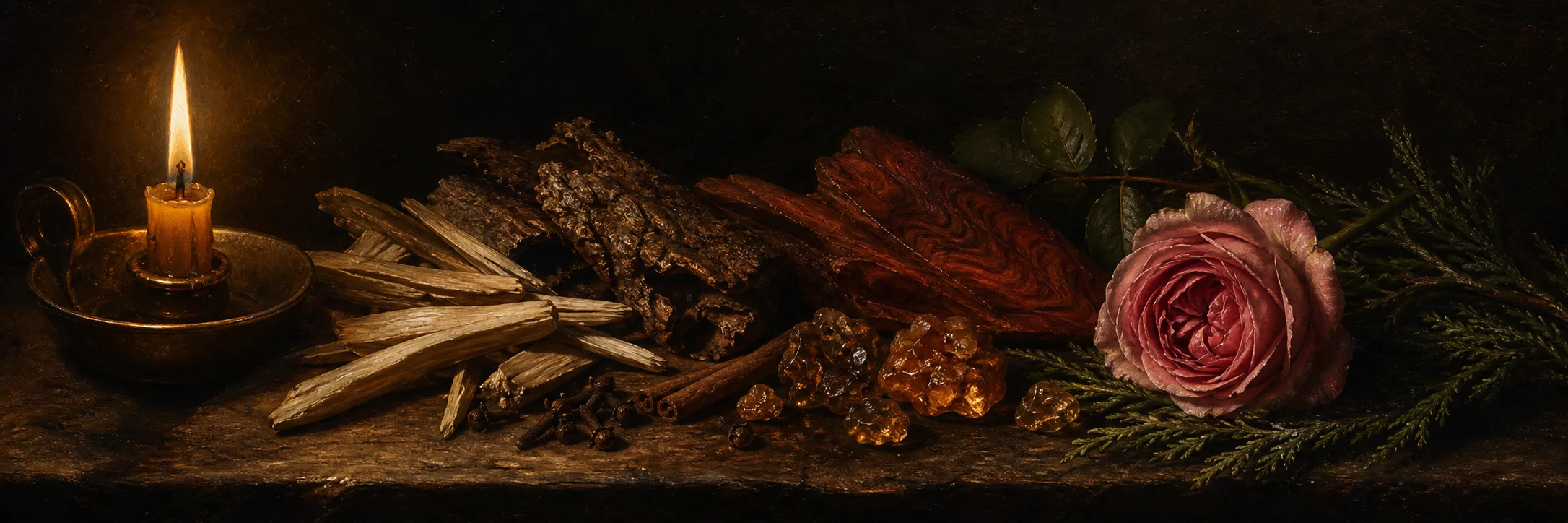
Tam Dao Eau de Toilette is Diptyque’s 2003 dry sandalwood landmark: a quiet meeting of sandalwood, cedar, cypress, rosewood, and clean musk. Its appeal is not plush exoticism but a restrained, meditative wood accord that feels carved, airy, and calm.
Scent Profile
The opening can be severe. Cypress and myrtle create a green, camphorous, coniferous burst that some interpret as turpentine, gasoline, crushed dill, or pencil shavings. Others simply experience a vivid forest freshness. This bracing phase is short but crucial to the scent’s dry character. As it settles, cedar often competes with sandalwood for attention. The sandalwood is freshly cut and raw rather than creamy or milky, softened by rosewood, a faint floral polish, amber, and white musk. For some wearers, a quiet unsweetened-milk or coconut-like facet arrives later; for others it remains almost entirely cedar and dry wood. Tam Dao is intentionally linear. The central impression is temple-incense sandalwood-cedar: spare, slightly smoky in texture, and never sweetly oriental.
Performance
The EDT generally lasts four to six hours with close sillage. It can remain detectable around the wearer through much of a workday without ever becoming a large cloud. Skin chemistry varies, but generous application and reapplication are common. Those seeking more power are usually better served by the later EDP.
Wearing Context
This is an unisex, year-round quiet-wear scent. It fits offices, solitary work, travel, meditation, forests, and spa-like settings, and it is especially good when the wearer wants calm rather than attention. Clubs, large rooms, and compliment-driven occasions expose its reserved performance. It also may disappoint someone seeking creamy, sweet Mysore sandalwood.
Comparisons & DNA
10 Corso Como is the classic contrast: both explore sandalwood and incense, but 10 Corso Como is rosier, more sensual, and more projecting, while Tam Dao is drier and more bracing. Tam Dao EDP is not merely stronger; it is a different, creamier sandalwood composition. Sacred Wood shares a sheer wood-focused opening. Serge Lutens Santal Blanc and Le Labo Santal 33 are useful wider references for sandalwood territory, while Gypsy Water offers a more citrus-sweet direction. Tam Dao remains notably cedar-forward among them.
Reception
Tam Dao is a modern classic for dry-wood lovers. Admirers find it serene, naturalistic, balanced, and versatile; critics say it is cedar rather than sandalwood, too weak for the price, or uncomfortably turpentine-like in the opening. Its status rests partly on that debate: it is a particular vision of sandalwood, not a universal replica of Mysore wood.
Versions & Reformulation
The EDT appeared in 2003 and the creamier EDP in 2013. Some wearers believe earlier square EDT bottles were more sandalwood-rich, but the exact formula history is uncertain. The two concentrations should be treated as different compositions.
Acquisition Notes
The EDT sits in the upper-mid niche price range with samples and decants easy to obtain. Boutiques, the brand site, and authorized retailers are sensible sources. Early square bottles attract collectors, but sampling a current bottle first clarifies whether its dry cedar balance is desired.
Notable Facts & Lore
- Tam Dao is named for a mountain range north of Hanoi.
- Yves Coueslant’s childhood memory of temple sandalwood inspired the fragrance.
- It is often described as a gateway perfume for sandalwood and woody fragrances.