Yves Saint Laurent — Black Opium
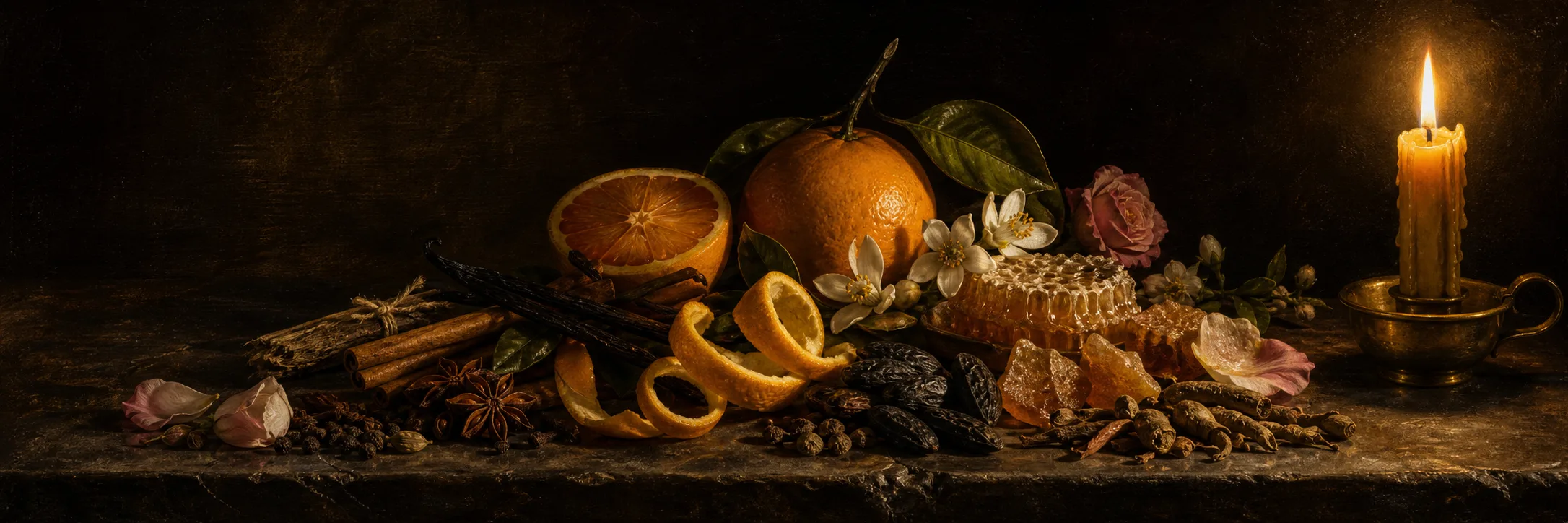
Essence
Yves Saint Laurent Black Opium represents a definitive structural pivot in modern perfumery, marking the transition of the “oriental” genre into the “neo-gourmand” era through the lens of a “floral coffee” accord. While it leverages the historical gravity of the 1977 Opium name, it functions as a post-modern composition that eschews traditional resinous spice for a high-contrast interplay of ethyl maltol sweetness and a submerged, bitter-roasted caffeine illusion. It is an olfactory archetype of the mid-2010s “rock-and-roll” commercial aesthetic-polished, approachable, and engineered for high-impact presence in nocturnal social settings.
Scent Profile
The olfactory architecture of Black Opium is characterized by a “V-shaped” evolution, moving from a sharp, luminous fruit-forward opening to a dense, balsamic vanilla foundation, with a submerged heart that serves as a bridge rather than a distinct stage. The signature “black coffee” accord is not a photorealistic extraction of a freshly brewed espresso but an evocative “latte” construct-creamy, sweetened, and texturally bolstered by white flowers. ### Immediate Volatiles: The Opening (0 - 20 Minutes) The fragrance initiates with a high-decibel burst of pear and pink pepper. The pear note manifests as a crisp, aqueous, and significantly saccharine element-comparable to a pear-flavored syrup or “grape juice” rather than the fibrous fruit itself. This luminosity is sharpened by the pink pepper (baie rose), which provides a dry, diffusive, and slightly rosy tingle. This stage is designed as a “commercial hook,” delivering immediate sweetness and projection.
Performance
Black Opium is engineered for “NASA-worthy longevity,” particularly when applied to synthetic fabrics or hair. It is a performance-oriented fragrance that prioritizes sillage (the trail left behind) over subtle complexity. ### Projection and Sillage The fragrance exhibits strong initial projection, often reaching 3 to 5 feet within the first 60 to 90 minutes of application. The sillage is dense and “thick,” leaving a persistent “wake” in enclosed spaces.
Wearing Context
Black Opium is strategically positioned as a nocturnal fragrance, inextricably linked to a “rock chick glam” aesthetic and the energy of the night. Its wearing context is heavily influenced by its high sugar content and dense base. ### Seasonal and Diurnal Suitability-Best Seasons: Autumn and Winter. The fragrance’s warmth and density are designed to cut through cold air.
Comparisons & DNA
Black Opium occupies a central position in the “Neo-Gourmand” lineage. It is the direct descendant of the “sugar-patchouli” trend ignited by Viktor&Rolf’s Flowerbomb (2005) and Lancome’s La Vie Est Belle (2012), but with a darker, “noir” filter applied via the coffee accord. ### Notable Comparisons and Deltas-Carolina Herrera Good Girl: Good Girl is a “dead ringer” for the same consumer profile but features a more prominent tuberose and cocoa heart. Good Girl is “stiletto-sophisticated” (jasmin/tuberose), while Black Opium is “leather-jacket-edgy” (coffee/vanilla).
Reception
The reception of Black Opium is one of the most polarized in the history of fragrance criticism, representing a “clash of civilizations” between commercial popularity and critical authority. ### Critical Authority ( & 2) The critical consensus from established authorities is largely negative. - Luca Turin & Tania Sanchez: While the 1977 original is a 5-star “Spice King”, the modern Black Opium is often dismissed as being “sickly sweet” and “full of synthetics”. - Denyse Beaulieu (Grain de Musc): Categorically panned the fragrance, famously labeling it “Methadone.” She argued it is “neither ‘black’ in the slightest, nor Opium in the least particular,” calling it “as forgettable and unremarkable as last year’s haute blondes”.
Versions & Reformulation
Since its 2014 launch, Black Opium has spawned a vast ecosystem of flankers, each adjusting the “floral coffee” ratio or introducing a new “hook” note. The original EDP has remained relatively stable, though minor adjustments to meet IFRA standards (specifically regarding Lilial) have been noted by sensitive noses. ### Significant Variants and Their Deltas-Black Opium Le Parfum (2022): The most “intense and warm” version. It emphasizes a “precious vanilla” quartet (Madagascar, Bourbon, Absolute, and Tahitensis) and moves the coffee note into a deeper “espresso” accord.
Acquisition Notes
Black Opium is a luxury designer fragrance with wide-scale global distribution. It is a staple of the “Grey Market” (discounters), where it is often available at a 20 - 30% discount from MSRP.
Notable Facts & Lore
- Black Opium was the first mass-market success to market a coffee accord as a feminine “addiction,” effectively defining the floral-coffee category.
- It was built by a four-perfumer dream team: Nathalie Lorson, Marie Salamagne, Olivier Cresp (the “father of gourmands” behind Angel), and Honorine Blanc - a hallmark of the L’Oreal blockbuster strategy.
- The most significant lore is the outrage it caused among traditionalists, who saw it as a break from the resinous spice of the 1977 Opium; the name shifted from a specific smell to a brand idea of “addictive.”
- Critics Kafkaesque and Denyse Beaulieu viewed it as a slaughter of the Opium heritage, and Beaulieu’s “Methadone” nickname stuck within high-level criticism.
- Zoe Kravitz served as global ambassador, anchoring the fragrance to a modern-rebel persona rather than its oriental past.
- It remains a consistent viral topic, recurring in “most complimented” and “most seductive” lists that sustain its market dominance.