D.S. & Durga — Italian Citrus
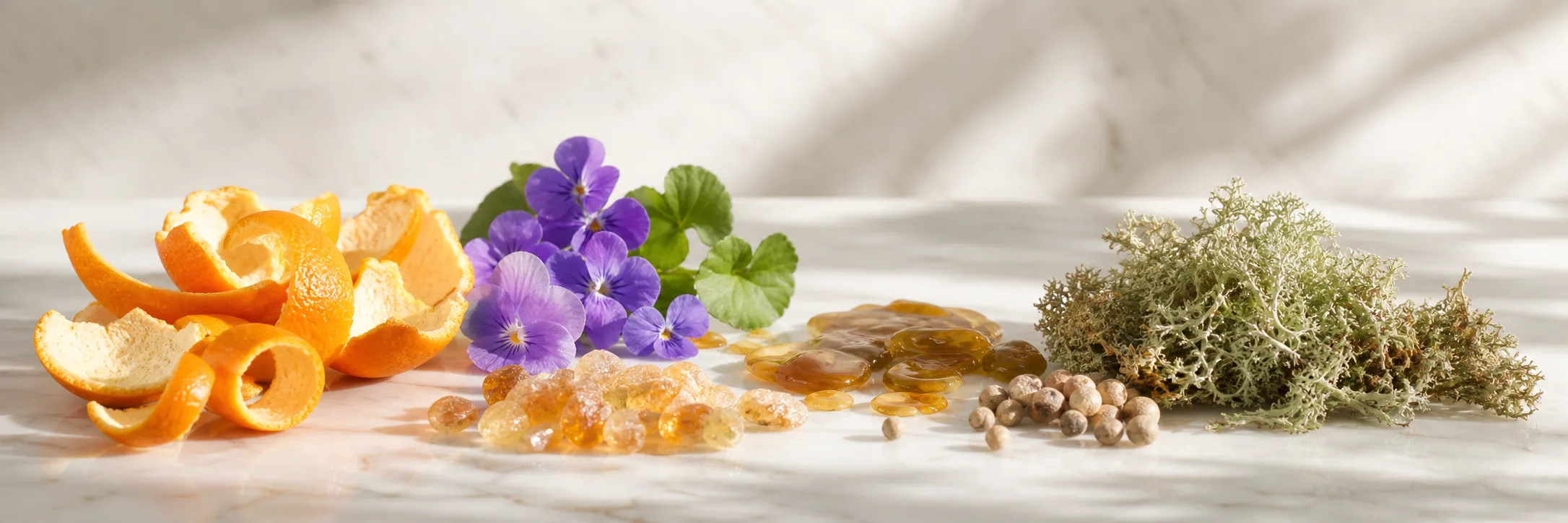
Essence
Italian Citrus is a 2011 David Seth Moltz cologne that treats citrus as something bitter, dark and lasting. Chinotto and blood orange move it away from the usual sunny splash toward an Italian aperitivo mood, while incense, resin and oakmoss give the fruit a surprisingly dry finish.
Scent Profile
The opening combines lemon, blood orange and chinotto. Chinotto is the defining material: its bitter-orange character recalls a Campari-style soda rather than sweet juice. Bergamot and red mandarin add breadth, while violet leaf keeps the heart green and slightly powdery. As the fruit recedes, copaiba balsam, incense, ambrette and oakmoss provide a clean musky-resinous landing. The citrus does not disappear so much as become an afterimage. This base is why the scent feels more serious than a standard eau de cologne. The same twist that makes it distinctive can divide wearers. Some get polished bitter citrus and classic clean musk; others find a synthetic orange-cleaner, leather or carrot-like facet. It stays relatively linear after the opening.
Performance
It outlasts many citrus scents but should still be approached as a soft, intimate cologne. The opening has the clearest lift, followed by a quiet musky tail. Generous spraying or clothing application can improve its presence, especially in hot weather.
Wearing Context
Spring and summer daytime are its natural setting, with enough bitterness for a warm evening. It is office-friendly, travel-ready and genuinely unisex despite traditional cologne framing. It suits someone who wants a dry aperitivo citrus rather than a sweet fresh scent.
Comparisons & DNA
The most useful comparison is a bitter Italian aperitivo: this is citrus with darkness and bite, not a bright designer freshie. Radio Bombay shares a related woody-musky house base, though it is a sandalwood fragrance rather than a citrus. Les Liquides Imaginaires Sancti offers a brighter, more effervescent contrast, while Italian Citrus deliberately opts for shadow and bitter peel. A late wood-and-iris association with Carthusia 1681 is also useful. None replaces the chinotto effect.
Reception
The fragrance is admired for turning citrus into something sophisticated, bitter and a little somber. The opposing view is that it is too thin, too synthetic or too short-lived for its niche price. Value and skin chemistry are the key fault lines, so a sample is safer than a blind full bottle.
Versions & Reformulation
No established reformulation is documented. It has been called both Cologne and EDP across listings, apparently a stylistic naming difference rather than confirmed concentration drift.
Acquisition Notes
It remains in production at a niche-luxury price level, generally in 50 ml and travel formats. Authorized retailers and samples are easy to find, making a small test especially sensible for a scent with such variable reactions.
Notable Facts & Lore
- The composition was designed to make citrus survive into the drydown.
- Chinotto is the bitter-orange signature behind its aperitivo association.
- Moltz used violet ionones instead of classic cologne herbs.
- It received a Best Travel Cologne editorial award in 2026.