Versace — The Dreamer
Essence
The Dreamer is Versace’s 1996 iris-tobacco-floral masculine, composed by Jean-Pierre Bethouart and now sold in a post-2010 reformulated edition. It remains one of mainstream designer perfumery’s most genuinely unusual masculines: a powdery iris-and-flax floral over a tobacco-blossom-amber base, opened by a sharp juniper-tarragon-artemisia blast. Polarizing enough to earn detractor nicknames, it is also one of the very few Versace fragrances Luca Turin praised in print.
Scent Profile
The opening, across the first ten to twenty minutes, is bitter, green, and divisive: juniper, tarragon, and artemisia produce an almost medicinal sharpness that is the most challenging phase of the wear. Post-reformulation, with lyral removed, the lily-of-the-valley facet softens and the opening reads much smoother than it did in older bottles.
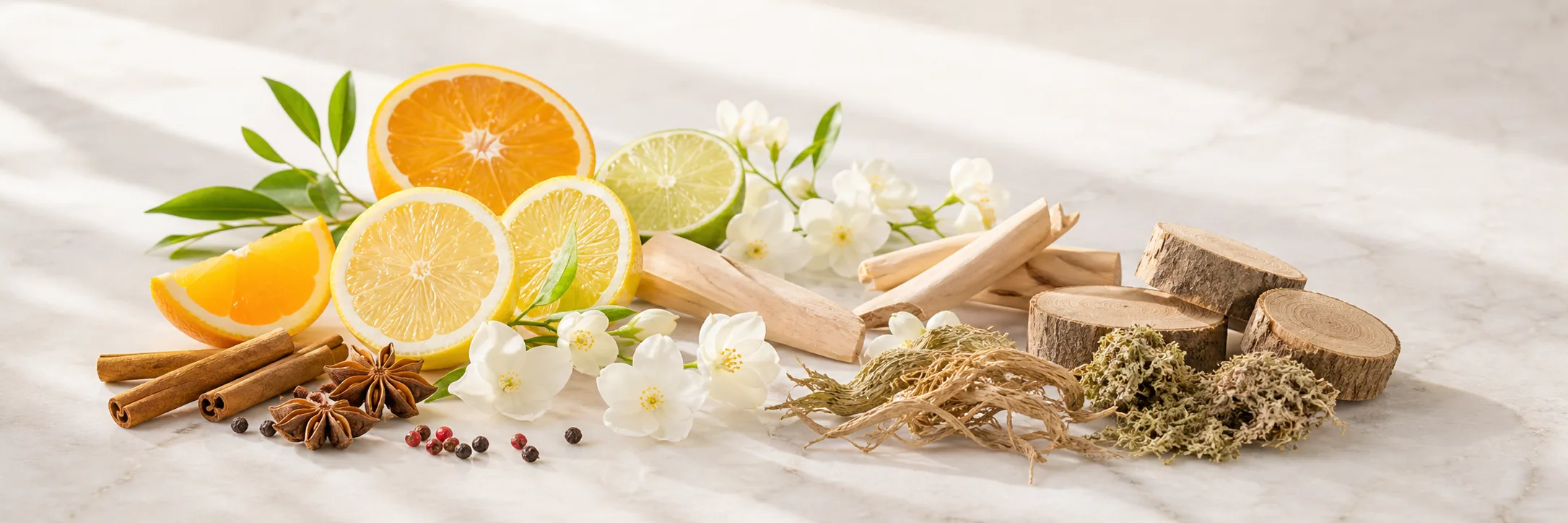
The heart, from roughly one to three hours in, is the fragrance’s reason for existing. Iris dominates, clean and powdery and slightly soapy, with flax and lily providing fresh, airy support and tarragon persisting as a subtle spicy lift. A clary-sage backbone supplies a hay-tea undertone that pushes a tobacco character forward without any literal cured-tobacco material.
The drydown, from about three hours on, settles into tobacco blossom, a green-floral tobacco-leaf accord rather than pipe tobacco, over a powdery, faintly sweet amber. The signature accord is powdery iris over green-floral tobacco-blossom with a juniper-tarragon lift. Notably, this was iris-as-masculine years before Dior Homme made the move mainstream in 2005.
Performance
Performance depends heavily on the version. Vintage pre-2010 bottles last seven to ten hours with strong sillage, while reformulated post-2019 bottles run four to six hours on skin, a drop many wearers attribute to the lyral removal. Projection is moderate for the first ninety minutes, then close to skin, though clothing holds the scent twelve or more hours regardless of version. It is best in autumn and spring, falls flat in deep summer heat where it turns stuffy, and is merely tolerable in deep winter. Three to five sprays suits it, since the delicate iris rewards restraint.
Wearing Context
Autumn and spring evenings suit it best, across date nights, dinners, quiet evenings, and semi-formal occasions, and light application keeps it office-friendly. It falls flat in club and nightlife settings, where it reads too cerebral, and in heavy summer heat. Socially it is strongly polarizing, with partners tending to love or hate it outright. It lands as thoughtful, slightly feminine-coded, and unusual, a strong signature for men at ease with floral masculines but off-putting to those expecting conventional fresh-aquatic masculinity, and it skews toward wearers over 30.
Comparisons & DNA
Dolce & Gabbana Pour Homme (1994) is the roundest spiritual predecessor, sharing the powdery-tobacco-floral register but creamier. Dior Homme (2005) is the iris-masculine successor, richer and more lipstick-coded, where Dreamer is leaner. Prada L’Homme (2016) works the same iris-aromatic tradition in a more modern construction. Versace L’Homme (1984) is Bethouart’s earlier chypre relative. Frapin L’Humaniste (2009) is the niche floral-tobacco cousin at roughly twice the price.
Reception
The consistent verdict is polarizing cult favorite, with a clear positive majority over a vocal negative minority. Wearers consistently praise the iris-tobacco signature as unusual and rewarding, while the recurring criticism targets the sharp opening, variously called a synthetic sweet-floral or a burnt-rubber note. Luca Turin praised it in Perfumes: The Guide as a dreamy iris fragrance and recommended simply to keep sniffing the comforting bliss, the closest the house has come to a critically respected masculine. The polarization axes are the opening sharpness, the floral gender-coding, and the vintage-versus-reformulated divide. Value is widely seen as strong, given how unusual it is at a budget price.
Versions & Reformulation
At least two major versions exist: the original 1996 Nebula edition, with cosmic packaging and a richer tobacco-vanilla character, and the post-2010 reformulated edition covered here, with Greek-key packaging. A further reformulation between 2011 and 2019 removed lyral in response to IFRA restriction and an EU ban, and ingredient comparisons confirm the change. Reviewers describe the later version as the same DNA but less rich and less long-lasting. Versace has not publicly acknowledged the reformulation, and vintage Nebula bottles command a premium when authenticated.
Acquisition Notes
The current version sits in deep-discount mainstream designer territory, typically $25 to $40 for 100 ml online against a department-store list around $80 to $95. Vintage Nebula bottles run roughly $60 to $150 sealed. The decant ecosystem is robust, with samples available for both the current and reformulated versions at modest cost. Counterfeit prevalence is moderate, since popular Versace masculines attract fakes. Authentication relies on Euroitalia Made in Italy labeling and a four-digit batch code on post-2005 bottles, with Nebula-era bottles carrying cosmic graphics and Parfums Versace labeling.
Notable Facts & Lore
- Jean-Pierre Bethouart is the documented perfumer.
- Gianni Versace described the concept as a virile, romantic man living with what happens around him, suggesting he himself might be The Dreamer.
- The Dreamer is widely understood as Gianni Versace’s last personal signature scent before his July 1997 murder.
- The original 1996 Nebula packaging, with its column bottle, embossed Medusa, and integrated sprayer, is repeatedly cited as among the era’s most distinctive.
- A 2011-to-2019 reformulation removed lyral in response to EU allergen regulation, fueling an ongoing vintage-versus-reformulated debate.
- Versace was acquired by the Prada Group in December 2025, leaving the fragrance’s medium-term availability uncertain.