Imaginary Authors — How To Say Bicycle In French
Essence
How To Say Bicycle In French is Josh Meyer’s deliberate swerve away from the sweetness that defines most of the Imaginary Authors catalog - a study in bitterness rather than sugar, built around gentian, the bittering agent used in gin and aperitifs, layered with a bouquet of culinary Provencal herbs. Where the line’s biggest hits run colorful and full-bodied, this is a dry, green, faintly bitter aromatic fougere - a Provence-inspired cologne that trades floral prettiness for savory, dusty, herbal realism. It’s one of the house’s more provocative, less crowd-pleasing releases by design.
Scent Profile
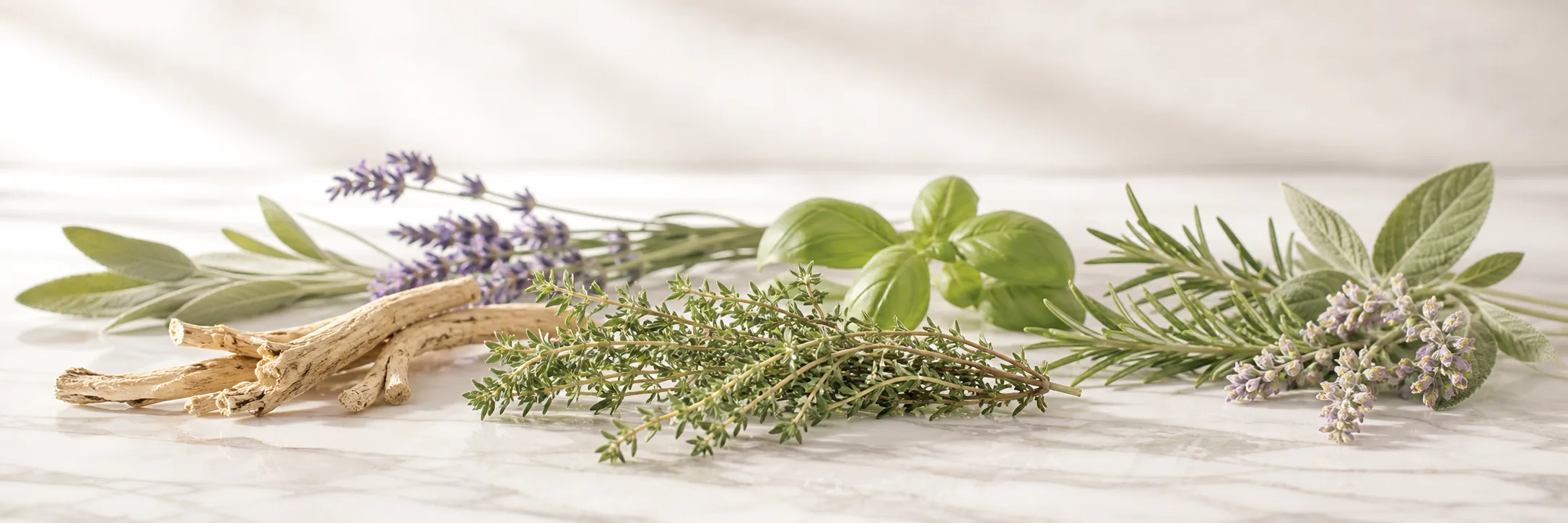
The composition is essentially all-heart: thyme, gentian oil, basil, lavender, rosemary, and clary sage, with no formal top or base to speak of. It opens sharp, green, vegetal, and almost spicy, with a bitter, rooty gentian rush cutting through the herbs, plus a slight background muskiness and a documented dose of dihydromyrcenol - the airy, watery, citric material common to fresh fragrances from the late 1970s through the 1990s - lending an airy quality rather than a heavy aromachemical punch. As it dries down, it calms into a clean, soapy, aromatic finish that several wearers compare to luxury bar soap or stepping out of a spa, staying a touch provocative throughout its wear while gradually softening.
Development is fairly linear, moving from sharp, bitter, and green toward soft, soapy, and powdery. The signature accord is bitter gentian layered over Provencal culinary herbs - Meyer has said he wanted the composition to read like a bitter you’d use in cocktails.
Performance
This isn’t among the house’s stronger performers. Reviewer consensus holds that the quality is high but projection is modest and longevity runs short to moderate, which is appropriate for the aromatic-cologne genre it belongs to. Accounts describe roughly an hour of visible projection before it settles into an intimate skin scent, generally detectable for three to four hours - shorter than several of the house’s other releases. Some reviewers note this reads as notably less long-lived than typical Imaginary Authors output, though at least one wearer (and the perfumer himself) suggests a stronger opening might have been overwhelming given the bitter, aggressive concept. This is built as a hot, dusty summer-afternoon scent, and performs best in heat.
Wearing Context
This is a spring-and-summer, warm-weather daytime fragrance through and through - the brand’s own framing leans into farmer’s markets, sidewalk bistros, and bike rides with the wind in your hair. It’s fully unisex, casual, fresh, and aromatic - a hot-weather cologne rather than an evening or cold-weather scent. Social perception runs clean and inoffensive for most wearers, though the bitter-green opening reads as distinctive or unusual to anyone expecting a standard fresh fougere, and a minority perceive it as veering toward detergent or soap territory.
Comparisons & DNA
The most substantive comparison is Caron’s Yatagan, sharing a gentian-and-herb-with-musk backbone, though this reads sleeker, more minimal, and a touch soapier than that reference. The dihydromyrcenol dosing also invites comparison to the 1980s-90s aromatic-fresh canon, including Jean Paul Gaultier’s Le Male - though here the material is used for airiness rather than a heavier aromachemical punch. Within the Provencal-herbal-cologne lineage generally, it reads drier and more bitter than straightforwardly floral-lavender takes on the genre, and compared to the house’s own Saint Julep, it drops the balancing sweetness entirely. One useful shorthand from a wearer: it’s what an Aperol spritz might taste like if you could wear it - bitter, dry, not sweet.
Reception
For a very recent 2025 release, early reception runs positive-leaning among the wearers who’ve sampled it, with the expected caveat that it’s polarizing by design. Critical coverage has been favorable and analytically engaged with its unusual gentian-and-dihydromyrcenol concept. Aggregate reaction sits comfortably positive on a still-small number of ratings. Praise centers on originality, the bitter-aromatic concept itself, the luxury-soap drydown, and reasonable pricing. Criticism centers on weak longevity, a near-detergent soapiness for some wearers, and herbal notes that read less bold than some buyers hoped for. Coverage overall remains thin simply because of how recent this release is.
Versions & Reformulation
Single composition with no known reformulation, as expected for a 2025 release.
Acquisition Notes
This is notably accessible for niche pricing: $115 for a 50 ml bottle, with a 14 ml travel size at $46. It’s sold through the Imaginary Authors website and a handful of US boutique stockists. The house is repeatedly praised for restrained pricing over the years, and samples are cheap and widely available - worth using given the polarizing bitter profile. Like all Imaginary Authors fragrances, it is formulated vegan.
Notable Facts & Lore
- The fragrance is framed, in the house’s usual fictional-book conceit, as the story of an American couple who abandon their old life for rural France.
- Its tagline translates roughly to “love is all around” or “love is timeless,” attributed to a well-dressed Frenchman who rides a squeaky bicycle through the fictional village each evening.
- Perfumer Josh Meyer has said the gentian choice was intentional, wanting the composition to read like a bitter used in cocktails.
- Meyer has also said the scent’s dihydromyrcenol dosing is meant to resonate with wearers who grew up in the late 1980s and early 1990s.
- The near-untranslatable title is characteristic of the brand’s literary whimsy - simply saying the French word for bicycle wouldn’t capture the same idea.