Robert Piguet — Baghari 2006
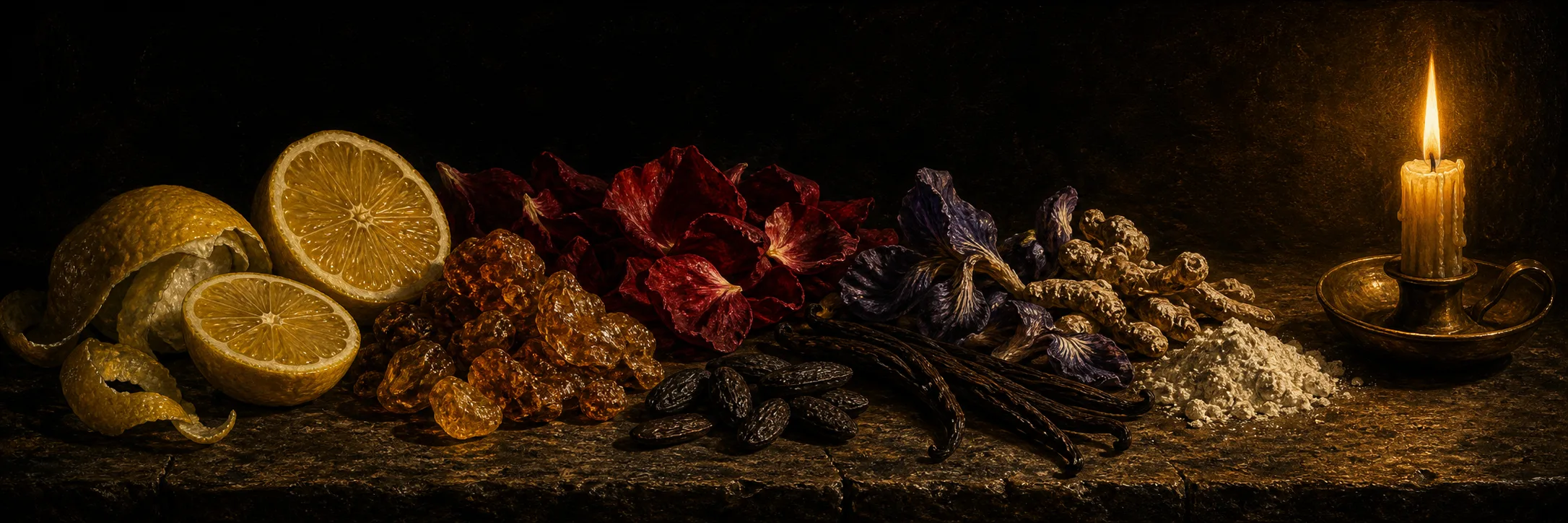
Essence
Baghari 2006 is Aurelien Guichard’s (Givaudan) re-edition of a genuine mid-century classic: the original Baghari was created by Francis Fabron in 1950 and was the last fragrance launched by the couture house of Robert Piguet during the designer’s lifetime (the fashion house closed in 1951; Piguet died in 1953). Following the successful reissues of Fracas and Bandit, the brand “rebalanced” Baghari for a 2006 relaunch. The result is one of the most quietly admired aldehydic compositions of its era - an aldehyde-and-amber hybrid that critics treat as a smarter, warmer cousin of Chanel No. 5. Of the five fragrances in this batch, it is the one with real critical standing.
Scent Profile
Baghari opens with a champagne whoosh of aldehydes over bergamot and a frosted orange-blossom/neroli sparkle - the unmistakable “grand French” overture. But where No. 5 then slides into a fusty powdery-jasmine drydown, Baghari pivots: the heart keeps an assertive, candied citrus-and-spice brightness (reviewers consistently smell dried orange zest/peel and candied orange), the Bulgarian rose and jasmine stay soft and powdery, and the whole thing settles onto a warm, sweet amber-vanilla-musk base with a pronounced thread of iris. Now Smell This’s Angela captured it best: Baghari “smells as if the perfumer were dreaming of No. 5 seen through Rita Hayworth’s sunglasses… all the throwback glamour of a Champagne coupe full of fizzy aldehydes, but its heart is loaded with musty flowers and dried orange zest, dusted with fine-milled powder.” Victoria Frolova at Bois de Jasmin described the reorchestration as replacing “the whiteness of aldehydes… with sweet, almost candy-like notes,” the woody-dry base “laced with a pronounced dose of iris which preserves the luxurious effect while lending a modern lustre.” The defining feature is that base: as multiple wearers note, there is “a whole lot of base going on here,” and you have to love aldehydes, amber and musk simultaneously to love Baghari.
Performance
Strong. Reviewers report generous sillage and long wear - typically a day-long arc that darkens and softens, with the powdery amber-vanilla still detectable on clothing the next morning. A recurring caveat: freshness of the sample matters enormously. One careful reviewer noted a “fresh carded manufacturer’s sample… smelled very, very different from the first sample I tried” elsewhere - Baghari oxidizes/turns unflatteringly when old, so a stale decant can read sour or “diapery.”
Wearing Context
A cool-weather, dressed-up scent with retro glamour written into its DNA - “pearls, ruby red lips… dry martinis and cat’s eye sunglasses,” as the Australian Perfume Junkies review put it. Chant Wagner’s Scented Salamander comparison framed the modern version as the de-sexualized, office-wearable Baghari versus the “fur scent” of the animalic vintage. Marketed feminine; in practice it’s a classic-leaning unisex aldehydic for anyone comfortable in the No. 5 idiom.
Comparisons & DNA
The inevitable reference is Chanel No. 5 - Baghari shares the top third but weds it to “a traditional amber… the perfect marriage of an aldehydic floral with a traditional oriental,” a stroke critics felt Chanel itself never quite pulled off. Now Smell This grouped it with the round, earthy aldehydic florals Guerlain Vega, Sonoma Scent Studio Nostalgie and Tableau de Parfums Miriam. Others nod to Coty L’Aimant, Lanvin Arpege and Worth Je Reviens (the Scented Salamander found Baghari and Je Reviens obviously kindred, with Je Reviens spicier/greener and Baghari rounder and vanilla-sweet).
Reception
Critically beloved. In Perfumes: The Guide, Turin and Sanchez awarded Baghari strong praise and filed it under the descriptor “orange chypre” - and Tania Sanchez later publicly regretted the response, telling FASHION Magazine in 2018: “I regret not giving strong praise to Guerlain’s Aqua Allegoria Pamplelune, Chanel No. 19, and Robert Piguet’s Baghari. All got strong praise instead. I was too timid.” (Note the layered framing: Piguet called it a “soft oriental,” the Guide called it an “orange chypre,” and NST’s Angela called it “a spicy-citrus aldehydic floral” - the genre genuinely resists a single label.) Persolaise praised the current version as displaying “all the subtleties and contrasts we associate with the best work of the 40s and 50s.” The chief dissent is a comparative one: purists and those who’ve smelled the vintage parfum find the 2006 sweeter, softer and tamer, having shed the original’s darker, animalic, faintly dangerous character. Marina at Perfume-Smellin’ Things ranked it possibly her favorite Piguet, “even more than Fracas,” while NST’s Robin admitted it was “so beautifully done” yet did “absolutely nothing” for her - a fair map of the love-it/respect-it split.
Versions & Reformulation
Two principal lineages: the 1950 Fabron original (a chypre-leaning aldehydic floral with a richer, more animalic base, now vintage-only) and the 2006 Guichard re-edition under the current Fashion Fragrances & Cosmetics / Robert Piguet ownership. The 2006 version is offered in ml EDP and a 30 ml extrait, plus body products. Critics agree the reorchestration is faithful in spirit but sweeter, warmer and less feral than the vintage; Frolova judged that it “respects the Robert Piguet tradition,… combining modern radiance with neoclassical softness.”
Acquisition Notes
The 2006 EDP and extrait remain findable through Piguet stockists and discounters (it migrated to online discounters relatively quickly). Two practical rules from the reviews: (1) buy fresh - old/oxidized Baghari is the reference of most negative “sour/diapery” reports; and (2) if you want the legendary darker character, you must hunt vintage parfum, which is a different and more animalic experience. The extrait concentration is the most opulent rendering of the current formula.
Notable Facts & Lore
- Baghari was the final Piguet release of the founder’s lifetime.
- Francis Fabron also created L’Air du Temps and L’Interdit.
- The 2006 reissue followed other house revivals including Bandit and Fracas.