Comptoir Sud Pacifique — Aqua Motu Eau de Parfum
Essence
Aqua Motu is one of the earliest and most committed “real beach” aquatics in French perfumery, part of Comptoir Sud Pacifique’s Eaux de Voyage collection. It began in 1992 as a simple Eau de Toilette named “Motu,” later renamed and, most wearers believe, reworked; this Eau de Parfum version launched in 2010 as a closely related but distinct sibling rather than a simple stronger EDT. No perfumer is documented for any version - the concentrate is made in Grasse by an uncredited hand. It remains one of the more literal, least-abstracted marine fragrances on the market: less a perfumery interpretation of the sea than an attempt to bottle it directly.
Scent Profile
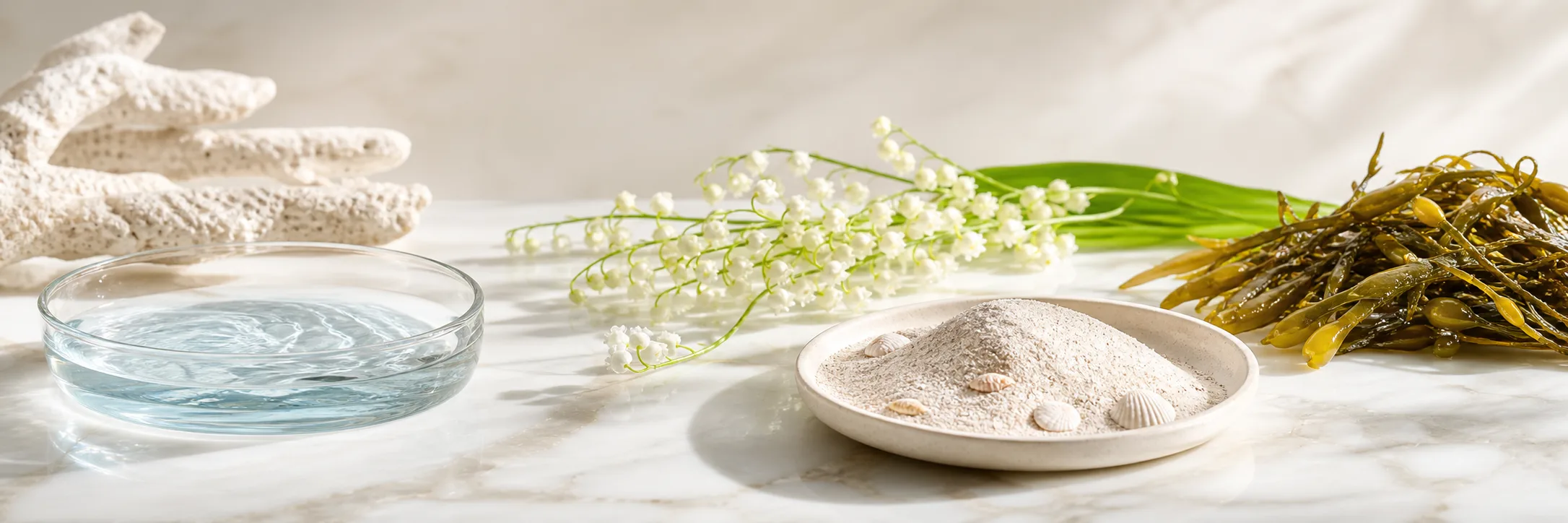
The pyramid runs immortelle on top, sea water, sand and lily-of-the-valley through the heart, and seaweed and musk in the base. The result is a strikingly literal seaside accord: salt water, hot dry sand, kelp, ozone, and a vegetal coastal-shrub greenness, with immortelle adding a dusty, hay-like, faintly maple-curry warmth. Wearers stress this reads as oceanic rather than sweetly “tropical” - closer to standing at the shoreline than lounging under a palm tree. A distinctive minor facet is a root-beer or sarsaparilla-like quality where the immortelle and salty elements meet, plus a touch of suntan-lotion warmth. Compared with the EDT, the EDP pushes the immortelle further forward - grassier, hayier, with a faint dry-tobacco undertone - and adds musk to the base. The opening can read briefly sour or skin-like before settling into a cleaner, more agreeable drydown.
Performance
Performance has long been this line’s weak point, and it is the reason the EDP and a later Intense concentration exist at all: the original EDT is widely described as light, with weak projection and below-average longevity. The EDP fares meaningfully better - wearers report it noticeably stronger, still perceptible hours later, with the seaweed facet most prominent in the opening hours before it eases into a softer, closer drydown. Expect moderate projection early and several hours of skin-close wear; it is an improvement over the EDT but still, by design, a relatively airy summer scent rather than a powerhouse.
Wearing Context
This is an unapologetic hot-weather, beach, and casual-summer fragrance - unisex, leaning slightly feminine to some but broadly worn by all. It is built for heat and pairs naturally with actual seaside settings; the brand positions its whole travel-water line as layerable, so Aqua Motu can double as a marine-fresh top note over other CSP scents. It is not really an office or evening “smell good” perfume in the conventional sense - more a wearable memory trigger than a polished signature scent - and its strongest emotional pull is nostalgic, with wearers repeatedly tying it to specific real beaches they’ve visited.
Comparisons & DNA
Montale Sandflowers is the most-cited reference point and, per one comparison, may have directly inspired Aqua Motu’s marine-immortelle idea, though Aqua Motu wears lighter, less floral and less musky. Profumum Roma Acqua di Sale is repeatedly called near-dupe territory at the opening, sharing the same salty, clean sea-water accord. Thierry Mugler’s Womanity shares the sea-water-plus-immortelle dusty, salty quality in its own “Taste of Fragrance” facet, a surprising crossover from a very different fragrance family. The discontinued L’Artisan Parfumeur Cote d’Amour, another immortelle-heavy aquatic, is named as its closest cousin in spirit.
Reception
Reception splits sharply along a “love it or find it chemical” axis. Admirers prize it as one of the most realistic, least synthetic-feeling marine fragrances available - a literal beach rather than a perfumer’s abstraction of one. Skeptics, including fans of the marine genre generally, find it synthetic-smelling or note a strange chemical undertone, and the harshest criticism is that the drydown can feel like “a very basic, cheap cologne.” Long-term buyers on the brand’s own storefront report decades of loyalty, though some feel recent batches read weaker and less marine than earlier stock - a value-for-money undercurrent worth knowing before buying blind.
Versions & Reformulation
Three releases make up the Aqua Motu family: the original 1992 EDT (launched as “Motu,” later renamed), this 2010 Eau de Parfum, and Aqua Motu Intense, an EDP launched in 2015 with the same pyramid at higher raw-material concentration. The 2010 EDP’s current retail status is unclear - it may have been effectively absorbed into the Intense line, which remains current alongside the EDT, while the standalone 2010 EDP is harder to find through standard retail. Wearer reaction to the Intense skews mixed-to-negative, with some finding its amplified profile closer to an air freshener than an improvement, though a smaller group prefers its heavier seaweed presence.
Acquisition Notes
Aqua Motu remains affordable and generally easy to find. The EDT ships in small travel and full-size formats, commonly listed in the low-to-mid double digits and often discounted further. The Intense EDP is sold through the brand’s own channels. The standalone 2010 EDP covered here has a less certain retail footprint and is best sourced through samples or decants where available. Given the divisive, strongly marine profile, a small tester size is the sensible way to try it before committing to a full bottle.
Notable Facts & Lore
- Comptoir Sud Pacifique markets Aqua Motu as one of the first fragrances to use a marine calone accord, credible given its 1992 origin alongside the early-1990s aquatic wave.
- The name “Motu” is the Polynesian and Tahitian word for a small reef islet, fitting the house’s South Pacific theme.
- Despite sand and salt being central to how wearers describe the scent, salt itself is not formally listed in the note pyramid.
- The fragrance draws unusually strong autobiographical reactions, with wearers repeatedly describing it as a scent-triggered memory of specific beaches they have visited.