Réminiscence — Rem Escale à St. Barth
Essence
Rem Escale a St. Barth is the tropical Rem flanker: iodine sea air, monoï florals, hot sand, vanilla, salt, and white musk.
Scent Profile
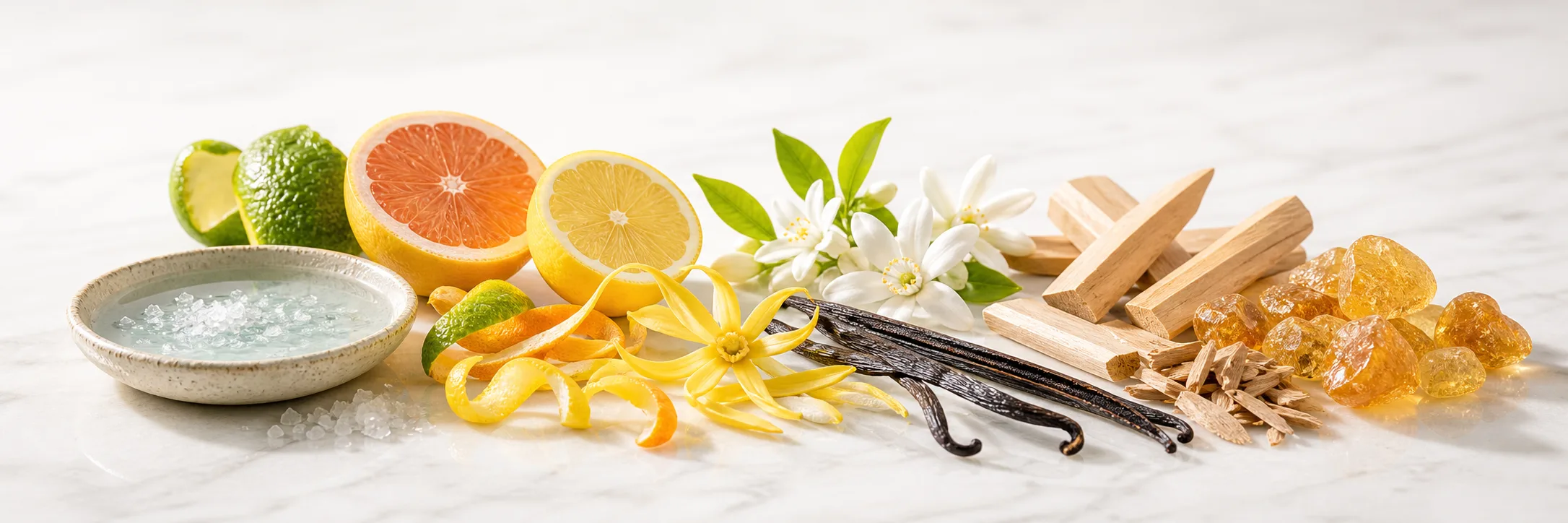
The opening sets up a hot-cold contrast: bergamot and mandarin over an iodine marine accord. It feels acidic and fizzy before the sun-warmed heart arrives. Ylang-ylang and orange blossom create the monoï suntan-oil impression, while a hot-sand accord gives the fragrance its island brief. Amber, vanilla, sandalwood, salt, and white musk make the base warmer and sweeter than Rem L’Acqua, though the marine DNA stays visible.
Performance
Like much of the Rem family, it is modest. Some wearers get only a brief holiday dream on skin; others find the base lingers better on fabric. Plan to reapply.
Wearing Context
A beach-and-vacation fragrance for full sun, high heat, and casual summer wear. It is light enough for heat and feminine-marketed, but the salt and musk keep it easygoing.
Comparisons & DNA
Original Rem is stranger, saltier, and more fenugreek-vanilla; St. Barth is sweeter and more tropical. L’Acqua is citrus-salt cologne beside it, while St. Barth is monoï, vanilla, and sand. Yves Rocher-style monoï summer scents are useful genre neighbors.
Reception
Marine and solar-fragrance fans like it warmly and often wish it had not been limited. Critics of the style find it synthetic, too vanillic, or not salty enough. Its appeal depends on wanting a tropical Rem rather than a mineral aquatic.
Versions & Reformulation
It launched in 2017 as a limited summer Eau de Toilette / Eau d’Ete and is now treated as discontinued. No specific reformulation is documented.
Acquisition Notes
Availability is old stock, discount, decants, or secondary market. Sample before paying a premium, because performance is modest and the tropical sweetness is not universal.
Notable Facts & Lore
- The flanker returns Rem to Saint-Barthélemy, the island behind the parent scent’s origin story.
- Rem is mer, sea, reversed.
- It sits in a large Rem lineage where many flankers have since disappeared.