Zoologist — Elephant
Essence
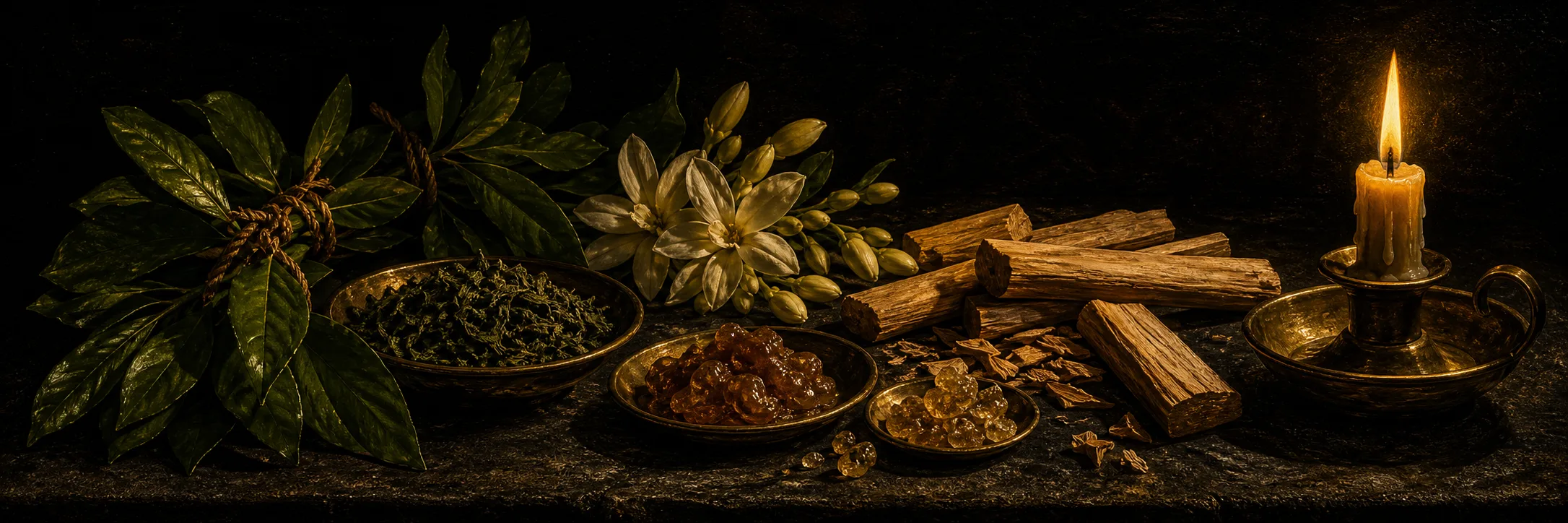
Elephant is a photorealistic green-woody extrait that smells like crushed tropical foliage, oxidized black tea and raw cacao husk drifting over creamy sandalwood. It is one of Zoologist’s most artistically lauded and (paradoxically) most wearable releases - a “force of nature” jungle portrait rather than a literal rendering of the animal’s hide. The signature move is bitter, sappy greenery and tannic Darjeeling resolving into a milky, earthy sandalwood drydown. A finalist in the Independent (Golden Pear) category of the 5th Annual Art and Olfaction Awards (London, April 21, 2018), it is regarded by many wearers as among the best green fragrances of its era.
Scent Profile
The opening is an aggressive green blast - crushed fat tropical leaves, snapped stems oozing sap, a chlorophyll-rich rawness more dark-green foliage than cut grass. Darjeeling tea arrives almost immediately, but this is not a soft or fresh tea: it reads tannic, bitter, oxidized, even a touch dirty-soil earthy, with the muscatel grape facet of good black tea. Magnolia provides a brief high-pitched floral lift in the first minutes but is fleeting - it’s largely gone within 20 minutes, a note several reviewers wish lingered. Through the heart (roughly 1 - 3 hours), the listed jasmine becomes the secret engine: indolic, slightly skanky, sweet, it penetrates every layer and is the dominant flower to many noses. Cacao/cocoa appears as bitter raw nibs rather than chocolate dessert, and coconut shows as husk and milk - not sunscreen, more the dry shell - smoothing the bitter edges. Incense and patchouli ground everything with smoky, earthy depth. The drydown (3+ hours) is the consensus favorite stage: a creamy, milky sandalwood-coconut-amber-musk accord, softer and more meditative, with the green and tea still humming above it. Critic Kevin singled out the sandalwood as “surprising and different; it’s tart and sappy, a welcome change from the creamy sandalwood I often smell in perfumes” - an unusual raw, woody facet rather than the usual smooth lactonic santal. The signature accord is bitter green leaf + tannic black tea over tart sappy sandalwood. Perceptible notes: green leaves, tea, jasmine, cacao, coconut, sandalwood. Submerged/supporting: magnolia (fleeting), incense and patchouli (textural, in the base). On linearity, opinion splits: some find it evolves clearly from green explosion to creamy wood; the dissenting view (e.g., the Pyrgos blog) is that “this stuff is linear as hell,” hitting “a stasis point” after the first half hour. The honest read is that it has a dramatic opening arc, then settles into a long, slow, largely static woody-green skin phase.
Performance
Performance is moderate-to-strong and notably long. Projection is strong in the first hour - the green opening genuinely “perks you up” and carries an arm’s length or more - then settles to moderate, becoming a close, personal scent within a few feet by the woody phase. Sillage is best in the green/tea stage; the drydown is more intimate. Longevity is excellent: many users report it detectable at 12+ hours, with the creamy base clinging to skin “even after a sleep.” On clothing it can last well beyond a day. On skin expect roughly 8 - 12 hours of clear presence. It blooms in heat and humidity - wearers describe the creamy sandalwood-cacao warmth coming alive in the sun and on humid days, with the tea and green leaves persisting more in cold. It reads beautifully on rainy days. Best application: a couple of sprays is plenty given the extrait strength; over-spraying amplifies the bitter green and earthy-soil facets that some find “muddy.”
Wearing Context
Elephant is a daytime, warm-weather natural. It shines in spring and summer, in humid or sun-warmed conditions, and outdoors where its jungle-after-rain atmosphere makes sense. It’s well suited to casual daytime and works as an interesting, mild office option (light, airy, not loud once settled). It leans slightly masculine to some (“makes me feel powerful, like a force of nature”) but is genuinely unisex and frequently worn by women. Where it falls flat: formal evening occasions, and on those who simply dislike bitter tea or earthy-soil greenery - a minority physically recoil from the cocoa-meets-damp-wood “muddy” facet, with one wearer calling it the “first frag to make me gag.” Social-perception skew: this is a connoisseur’s scent that reads as “interesting/artistic” rather than conventionally attractive or complimentary; it’s more likely to provoke “what IS that?” rather than “you smell great.” A polarizing blind buy.
Comparisons & DNA
Within the Zoologist line, Elephant is the green counterpoint to the house’s animalics; Now Smell This grouped it with Camel as a 2017 pair and recommended it alongside Dragonfly, Bat, and Rhinoceros. It is far more approachable than the volcanic Tyrannosaurus Rex and the inky-salty Squid. The most-cited external comparison is Diptyque Philosykos. The honest delta: Philosykos is all fig, fig leaf and dry coconut-powder under summer-sun freshness, whereas Elephant is denser, darker, tea-and-cacao driven with more complexity and far better longevity (Philosykos EdT especially is fleeting). One Now Smell This commenter likened Elephant to a relative of Philosykos crossed with Diptyque Tam Dao. Other green/woody touchpoints include Hermes Un Jardin Sur Le Nil and vintage green florals generally, though Elephant is earthier and more savory than any of these. There’s no true designer clone - the bitter tea/cacao/sappy-sandalwood combination is genuinely unusual, which is the point. Generic oil houses list an Elephant-inspired oil, but there is no well-known Lattafa/Armaf/Maison Alhambra dupe, reflecting how hard the accord is to copy cheaply. Lineage: descended from the green-chypre and tea traditions but rerouted by perfumer Chris Bartlett into a “tropical forest” effect using violet leaf absolute and the aromachemical Mintonat; it helped cement Zoologist’s reputation for hyperrealist “habitat” scents.
Reception
Wearer reception is strongly positive but polarizing - a “love it or hate it” that converts skeptics over time. Recurring praise: hyperrealism (“more of an experience than a fragrance”), the lush green opening, the cozy creamy drydown, and excellent longevity. The dominant arc in reviews is the slow-burn convert: many describe disliking or being confused by it at first, then growing to love it after repeated wears. Common criticisms: linearity/stasis after the opening; an earthy “muddy” cocoa-wood facet that a minority find nauseating; and a feeling among some that it’s a “weak homage” to a majestic animal. Axis of polarization: green/bitter/earthy lovers vs. those who need sweetness or evolution. A few critics were warm. Now Smell This’s Kevin praised the tart, sappy sandalwood, saying “the glorious elephant got its due with this fragrance.” Cafleurebon framed it as atmospheric - it “does not smell like an elephant: it envelops one in an array of atmospherics.” The independent Fragrant Journey blog, cited in Zoologist’s own roundup, called it “a thought provoking study… A very wearable and beautiful perfume.” Blind buy verdict: sample first. Zoologist itself says its scents are not “blind-buy safe,” and Elephant is a textbook case - sample, and if the green/tea opening clicks, the bottle is worth it.
Versions & Reformulation
Elephant launched in late 2017 originally marketed as Eau de Parfum at $135 for 60 mL (per a December 2017 review). It is now sold as Extrait de Parfum at 20% concentration (per a decanter listing: “It is an extrait de parfum at 20% concentration”) - part of Zoologist’s mid-2017 house-wide relabeling that corrected “beastly potent” EdPs to their true extrait strength without changing the juice. The formula is the same perfume; the label change reflects honesty about concentration, not a new composition. No major scent reformulation of the original is documented. Note that a distinct 2026 release, Elephant Sanctuary Edition (perfumer Natasha Cote-Mouzannar), is a separate reinterpretation, not a reformulation of this scent - the two “co-exist as they truly are nothing alike.” As of early 2026 the original Elephant’s 60 mL bottle shows as “Sold Out” on Zoologist’s official site, while wearer chatter suggests possible discontinuation. Treat discontinuation as unconfirmed wearer speculation.
Acquisition Notes
The cataloged full-bottle reference is 200 USD / 60 ml. Current Zoologist formats center on full bottles, with samples and travel sprays available for trial. Sampling is the sensible first step, especially for the house’s more animalic or conceptual entries. Buy through official or authorized channels and confirm the exact edition for similarly named releases.
Notable Facts & Lore
- Perfumer Chris Bartlett (also behind Zoologist Beaver, and proprietor of Pell Wall Perfumes) has spoken in detail about Elephant.
- His original concept was an Indian chai/spice/sandalwood theme - “elephants and Indians traditionally have a strong connection” - but by the third prototype he and Victor Wong changed direction, “opening the windows to let the air in,” steering toward fresh air, greenery and leafy effects.
- He noted, “if you can pick out the individual notes in a perfume too easily, it’s not finished yet,” and disclosed using violet leaf absolute and Mintonat plus “some very unusual materials” to build the tropical-forest effect.
- Founder Victor Wong has said one inspiration came from a TED Talk by biologist Allan Savory about elephants’ ecological role, while the sandalwood theme came from childhood images of elephants hauling logs in India.
- The fragrance was a finalist in the Independent (Golden Pear) category at the 5th Annual Art and Olfaction Awards in 2018.