Comme des Garçons — Comme des Garcons Series 2 Red: Carnation
Essence
A 2001 carnation soliflore from Comme des Garcons’ Series 2: Red, the collection themed on the color red across spices, woods, flowers, and fruit. Composed by Evelyne Boulanger, Carnation runs against the house’s avant-garde reputation: it is one of its most straightforwardly beautiful and realistic florals, a spicy, true-to-life red carnation built on clove, rose, jasmine, and red pepper. Now discontinued, it has become a genuinely sought-after object among carnation lovers.
Scent Profile
The defining tension is carnation versus clove. Almost every wearer registers a big clove and red-pepper hit, with the carnation reading as the flower that clove is the spicy soul of. A frequently echoed observation: smelled at arm’s length it is clearly carnation, but pressed close to the nose it becomes clove. The opening can read sharp, peppery, even momentarily medicinal in clove’s herbal-anesthetic way before it mellows.
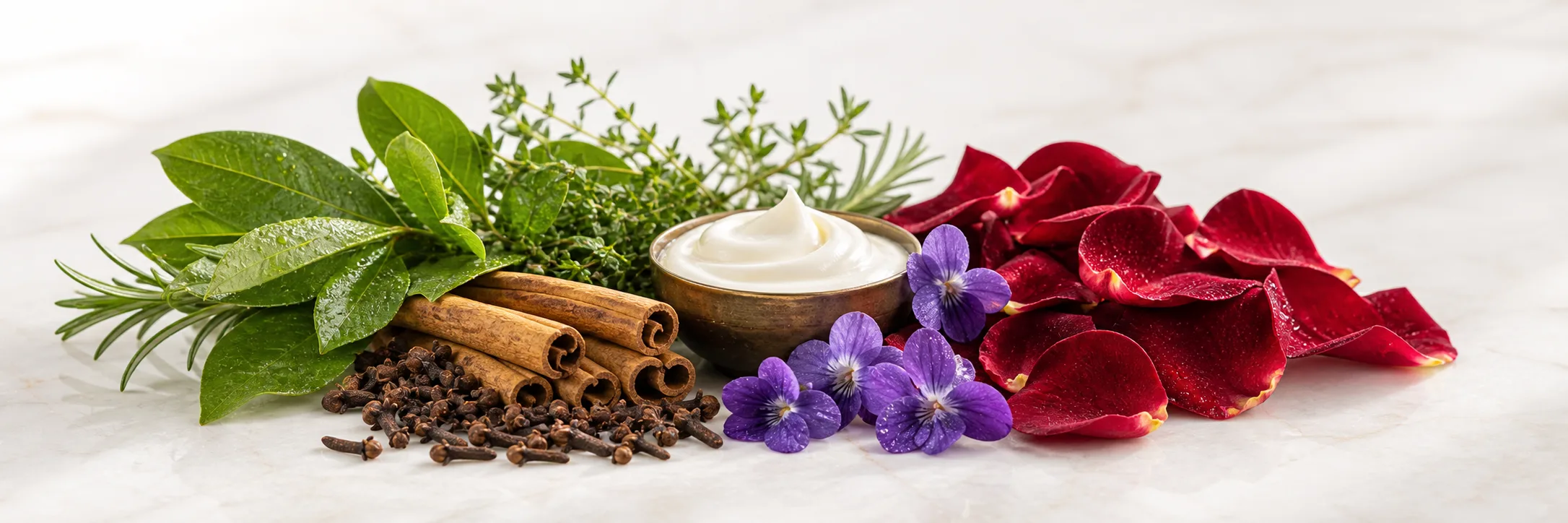
Underneath, a red rose and a touch of jasmine shadow the spice, lending a soft, faintly powdery, slightly sweet roundness. The brand’s own description frames it as a red carnation adorned with red roses from Provence and spiked with clove, red-pepper absolute, and Egyptian jasmine.
The drydown moves toward a creamy carnation soliflore. Wearers split on the character: some experience a faithful fresh-flower carnation, a bouquet of real carnations, while on other skins it reads more clove-forward and slightly incense-like or candied. The chemistry varies, but the carnation-clove core is always unmistakable.
Performance
Performance is genuinely contested, which matters given the price and rarity. One camp reports weak throw and flimsy longevity and finds that hard to forgive on an expensive bottle. Another camp finds it a powerhouse on their skin, with strong sillage and many hours of wear; one comparison put its projection just a class below the most aggressive classics, still noticeable after ten hours. User aggregates land in the middle. The honest summary is that it is highly skin-dependent, with most wearers in the moderate range and a vocal minority at each extreme.
Wearing Context
It wears largely unisex and is often called one of the most gender-neutral carnation compositions around, though several wearers feel it leans slightly feminine. Its spicy-warm character reads as cool-weather and comforting to some and as a hot, sexy, even club-worthy scent to others. It is distinctive and somewhat unmistakable rather than a versatile blender, but wearers report using it across many occasions and drawing compliments.
Comparisons & DNA
Carnation is a touchstone in the small world of carnation scents, and it is most useful to place it against specific peers.
- Santa Maria Novella Garofano — a frequent head-to-head; CdG is clovier, less floral until drydown, a touch sweeter, and less tart.
- Caron Bellodgia — the creamier, more old-fashioned blended-carnation alternative, against which CdG reads purer and more clove-forward.
- Tabac Original — by one striking account, CdG Carnation plays like a high-quality reworking of it with the carnation, clove, and pepper ramped up and the aldehydes pulled back.
- Floris Malmaison — a softer, creamier carnation (later discontinued over clove restrictions), where CdG is the sharper, spicier reading.
Within the house, the original Comme des Garcons (1994) carries carnation among its spice-chypre notes, but Series 2 Carnation is its dedicated near-soliflore treatment.
Reception
Reception is strongly positive among carnation aficionados, and it is widely regarded as one of the best modern carnation soliflores, with several emotional testimonials about its lifelike flower. Sentiment runs warmly positive overall. Bois de Jasmin’s 2005 review is the notable critic touchpoint and is more measured: it reads the fragrance as combining red pepper, clove, and rose in a fairly traditional ensemble, but lacking the usual carnation powderiness and leaning instead on a honeyed spicy chord that takes the warmth a notch too high. Dissent clusters on two points — the clove can be overwhelming or medicinal for some noses, and the soft-version wearers are frustrated by the performance-to-price ratio. Now Smell This’s Robin, writing in 2014, called it pretty much a realistic soliflore, at least as it used to be, while worrying about new restrictions on clove.
Versions & Reformulation
No formal, named reformulation is documented, but reviewers and critics repeatedly flag that IFRA restrictions on clove (eugenol) likely affected later batches, and wearers reference smelling differences across vintages. Those chasing the fullest clove-carnation effect tend to seek older stock. The fragrance was last marketed under Puig, the house’s fragrance licensee.
Acquisition Notes
Discontinued and now a hunt, Carnation is not discounted anywhere, and bottles have traded well above $100, with some sourced at considerably higher prices on secondary markets. It surfaces mainly through gray-market and overseas retailers and the secondhand market rather than standard retail. Given the soft-versus-strong performance lottery and the clove-reformulation question, sampling or a decant first is the smart move before committing to a scarce, pricey full bottle. The format to look for is the 100 ml red cylindrical EDT bottle with a metal cap.
Notable Facts & Lore
- Series 2: Red launched with all five scents in fire-engine-red cylindrical bottles, themed on red as passion, fire, and mystery.
- The documented perfumer is Evelyne Boulanger.
- It exemplifies the house’s pattern of taking a single, almost banal subject — here a flower long dismissed as old-fashioned or funereal — and rendering it with enough realism and spice to feel subversive.
- In France, carnations carry funereal associations, which sharpens the choice to build an entire fragrance around the flower.
- Some databases list inflated or duplicated note pyramids, including goji-berry juice; the brand’s own leaner description is the more reliable account.