Comme des Garçons — Comme des Garcons Series 2 Red: Harissa
Essence
Harissa is a 2001 eau de toilette from Comme des Garcons’ Series 2: Red, composed by Bertrand Duchaufour and named for the fiery North African chili condiment. Despite that name and a note list full of pepper and spice, it is not a literal hot-sauce recreation but an abstract, surprisingly bright and transparent spice-citrus study: a vivid blood-orange-and-chili top over a warm, lightly sweet spice accord, finishing on a quiet woody-musk base. It is widely held to be one of CdG’s more wearable and beloved early releases, now discontinued with a complicated reissue history.
Scent Profile
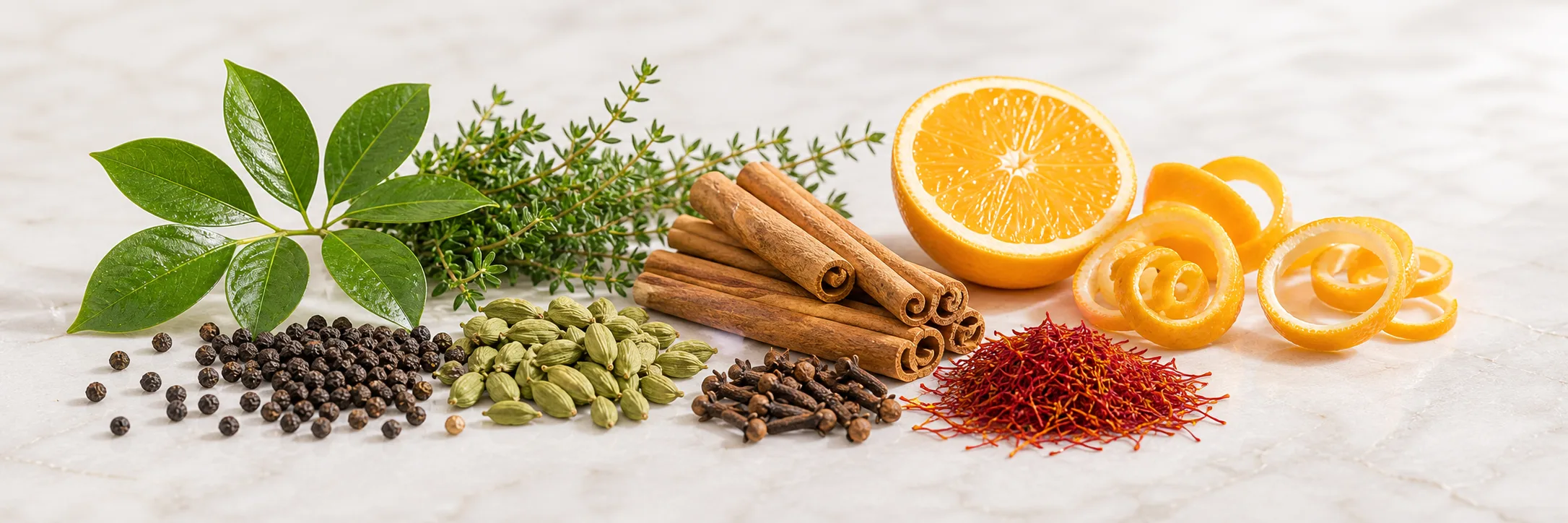
The opening is the star and the most praised phase. A zesty, sour-sweet blood orange, lifted by bright lemon, meets red chili pepper that supplies a clean sharpness rather than literal heat. Now Smell This’s Robin described the top as “basically lots of orange and lots of hot pepper,” and the effect is more dazzling than dangerous. Within about fifteen minutes the citrus warms into a spice accord built on nutmeg, cardamom, a clove-like facet, saffron, and angelica. Several wearers liken this stage to “Red Hots melting in fresh orange juice.” A tomato and tomato-leaf note threads through the middle, reading green and crisp to some and “Bloody Mary”-like to others, keeping the composition vegetal and savory rather than gourmand. Saffron and angelica pull the heart toward a faintly funky, herbal, vaguely masculine character. The drydown is where opinion divides. The fragrance grows progressively more mellow and diaphanous, exposing a firm woody base warmed by just a hint of very clean musk. Despite the incendiary concept, the overall impression stays surprisingly bright, transparent, and only mildly spicy.
Performance
Harissa wears close to the skin: sillage is light and intimate, and it does not trail clouds in its wake. Longevity reports diverge sharply. One frequently quoted account has the drydown progressing over six hours or more, while others find the brilliant top “goes flat” or fades within an hour, with at least one wearer reporting it died on the skin after ten minutes. Skin chemistry clearly drives the difference, and many fans wish it simply held onto the fiery heat of the opening. Apply generously, treat it as a warm-weather scent, and expect a moderate footprint rather than a powerhouse.
Wearing Context
This is a warm-weather, daytime, casual to smart-casual fragrance, often recommended as a summer alternative to conventional citrus and aquatic scents. Its spice also makes it work in fall. It reads as genuinely unisex, leaning slightly masculine through the herbal saffron-angelica heart but easily wearable by anyone. It functions as everyday olfactory entertainment rather than a formal or seductive scent, best suited to those who want a conversation-piece spicy-citrus and do not need strong projection.
Comparisons & DNA
Within its own house, Harissa sits beside its Series 2: Red siblings, especially the rum-soaked redwood of Sequoia and the woods of Palisander, both also by Duchaufour; some wearers even read a Palisander-like myrrh facet in its base. Its peppered, spicy-sweet heart invites comparison with Lorenzo Villoresi’s Piper Nigrum, with Harissa offering a lighter, fresher take on similar territory. The bright blood-orange top draws frequent comparison to Frederic Malle Bigarade Concentree, though orange-lovers expecting that scent’s focus sometimes find Harissa less orange-forward. The savory tomato facet nudges it toward the iron-and-tomato space of Blood Concept. In short, it is an abstract spicy-citrus aromatic fougere with a distinctive tomato-leaf signature and a clean woody-musk base.
Reception
Harissa is held in strong affection as a quirky CdG cult favorite, balanced by genuine polarization. Admirers prize the dazzling blood-orange and chili opening, the originality of the concept, and a recognizable CdG character that fans miss now that it is gone. Criticism concentrates on the back half: detractors find that it goes flat, thins into a generic spicy-soapy woody-musk, or reads as an edible “Bloody Mary.” The fault lines are consistent, the brilliant top versus the disappointing base, fresh abstraction versus savory tomato juice, and whether the much-loved opening justifies a soft, short heart. For spice and citrus adventurers it is a rewarding and approachable entry point, but anyone prioritizing projection or longevity should sample first.
Versions & Reformulation
Harissa launched in 2001 in 75 ml and later 100 ml eau de toilette, with the older 75 ml eventually dropped in favor of the 100 ml; a candle also existed. The Red series was later discontinued. CdG’s 2017 Olfactory Library program reissued ten back-catalog scents and revived the Palisander and Sequoia siblings, but not Harissa, which has remained discontinued and sought-after. Wearers comparing originals to those sibling reissues report the revivals were altered noticeably, a useful caution for vintage-versus-reissue expectations across the line. Source note lists vary slightly, with some citing grenadine or a generic Moroccan-spice accord, but the documented composition is consistent with Duchaufour’s spice-citrus structure.
Acquisition Notes
Because it was discontinued and never reissued, Harissa now trades only on the secondary market, where it draws collector interest as a discontinued Duchaufour CdG. Expect variable, generally rising pricing and limited availability rather than a fixed retail tier. Samples and decants are the lowest-risk way to try it. Buyers should be mindful that a top-heavy EDT can lose its prized opening with age, and should confirm they are getting an original Red-series bottle rather than another CdG release.
Notable Facts & Lore
- Named for harissa, the fiery North African chili condiment of chili, coriander, cumin, oil, and sometimes mint, lemon, tomato, and even rose petals; the fragrance is a nod to the idea rather than a literal recreation.
- Marketing framed its citrus around a “North African blood orange.”
- Composed by Bertrand Duchaufour during his prolific early-2000s run, the same era as L’Artisan’s Dzongkha and CdG’s Series 3: Incense.
- Left out of CdG’s 2017 Olfactory Library reissue even as its Palisander and Sequoia siblings returned.
- Has acquired genuine “white whale” status among CdG collectors, fueling persistent pleas for its return.