Acqua di Parma — Acqua di Parma Magnolia Nobile
Essence
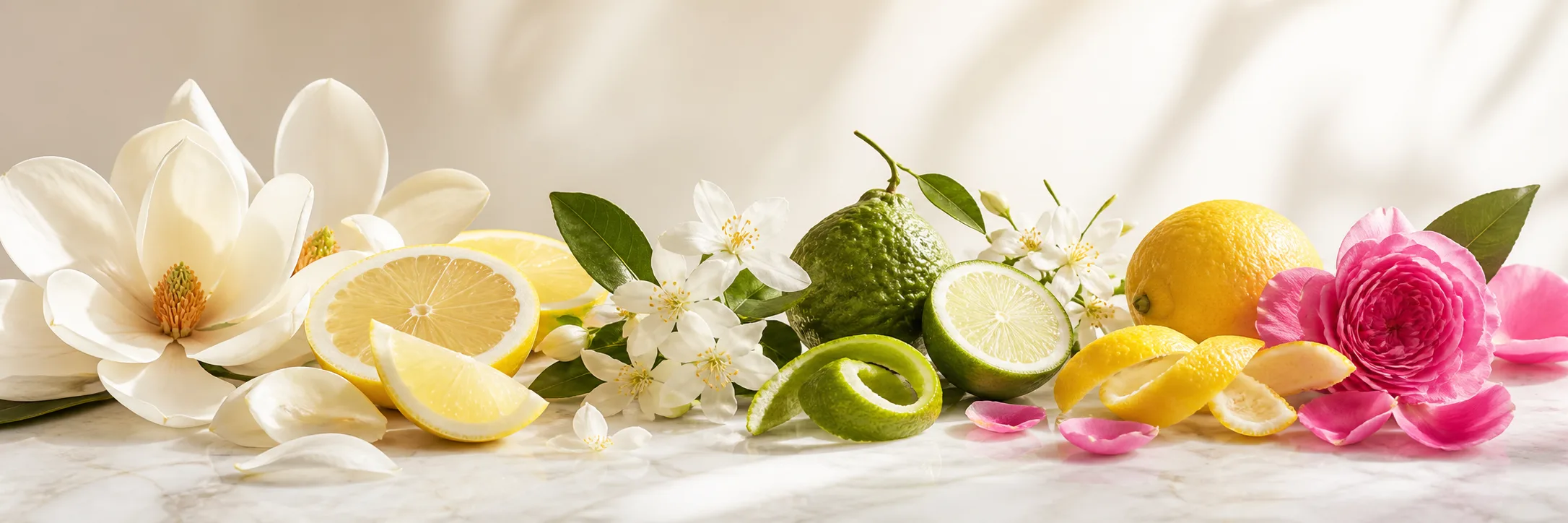
Magnolia Nobile is the magnolia chapter of Acqua di Parma’s “Le Nobili” collection — a luminous Italian floral that frames a creamy, lemon-inflected magnolia grandiflora with a fizzing citrus top and a soft woody-vanilla base. Created by Antoine Maisondieu in 2009, it follows the house template (citrus + white flowers + light musk/woods) established by Iris Nobile, but treats magnolia with an unusual waxy, oily lushness rather than the cold, glassy sharpness most magnolia scents chase. The effect is elegant, feminine, and “modern classic” — bright but never screechy.
Scent Profile
The opening (first 10–20 min) is unmistakably citrus: snappy lemon, citron, and bergamot that “positively fizzes,” bright and diffusive. Several wearers and critics note it skews so lemon-forward early that it can read like a high-quality lemon cologne, “lemon drops,” or even (to detractors) furniture polish or lemon dish soap. This citrus is crisp but, as Now Smell This observed, “lacks real sparkle,” in the green-citrus idiom that dominated late-2000s launches. The heart (1–3 hours) is where the magnolia takes over and the fragrance earns its name. The magnolia here is creamy, buttery, “milky and lemony at the same time,” tender rather than indolic — a faithful magnolia grandiflora reading that many call one of the most reliable on the market. Jasmine plays a light supporting role; rose and tuberose are largely submerged, perceptible only on concentration. a wearer reviewer Eddie Bulliqi (in-house) framed the distinction precisely: where Malle’s Eau de Magnolia and AdP’s own Magnolia Infinita emphasize “delicate, cold, splinter-sharp uppers,” Magnolia Nobile instead treats the flower “more like tuberose in service of a lush, buttery, waxy, viscous tenacity,” using “the fattiest, oiliest accents of sandalwood and vetiver for density and viscosity. “ That waxy oiliness is the signature accord and the thing fans cite as setting it apart from “boring” magnolias.
Performance
Performance reports are mixed but cluster around “moderate. “ Projection is light-to-moderate — bright and potent in the first hour, then increasingly close to the skin. Sillage is described as soft-but-pretty (one wearer’s daughter could follow the trail; others wish it carried further). Longevity on skin is the recurring complaint: many report it fades faster than the price suggests, with skin wear often in the modest 3–5 hour range, though a minority get “great” all-day performance, especially in warmth. On clothing it lasts considerably longer.
Wearing Context
Best in spring and summer and in warm climates, where the citrus-cream magnolia is most at home; it also works as a refined cool-weather “pretty” floral for those who like soft scents. Daytime is its natural slot — it reads as effortless, elegant, and “lady-like” rather than seductive or nocturnal. Occasions: office, daytime events, weddings, warm-weather travel; one wearers regular calls it a fragrance “that might suit every woman, of every age, in every occasion.
Comparisons & DNA
Within the house, it sits in the Le Nobili lineage after Acqua di Parma Iris Nobile (2004) — same citrus + white-floral + soft-woods template, magnolia swapped for iris — and ahead of Gelsomino Nobile, Rosa Nobile, and Peonia Nobile, which several fans rank below it (“they pale in comparison”). It is most directly contrasted with Frédéric Malle Eau de Magnolia (Ropion) and AdP’s own later Magnolia Infinita, both of which render magnolia cold, glassy, and citrus-sharp — where Magnolia Nobile is warm, waxy, and creamy. Now Smell This grouped its fizzy green-citrus opening with Versace Versense, Bvlgari Omnia Green Jade, and Chanel Cristalle Eau Verte as part of a late-2000s fresh-green-citrus style. wearers repeatedly note the far drydown resembles Clinique Happy (original), with Magnolia Nobile being more citrusy and higher-quality. Lineage-wise it is a refined continuation of the classic Italian eau-de-cologne-meets-floral tradition rather than a trend-setter.
Reception
Consensus across wearers, and wearers is warmly positive with a clear minority dissent. Praise: an reliable, “lush,” creamy-yet-fresh magnolia; impeccable quality; elegance and versatility; the distinctive waxy oiliness that differentiates it from “boring” magnolias. Criticisms: (1) longevity/sillage that underdeliver for the price (“I wish it had a tad more staying power… seen the price”); (2) a too-lemony, soapy or “dish soap/furniture polish/mosquito repellent” opening for a vocal minority; and (3) a “mature”/“ancient” perception for some younger wearers.
Versions & Reformulation
Launched in 2009 as Eau de Parfum (50ml and 100ml), in a flacon shaped like the Iris Nobile bottle. It should not be confused with Acqua Nobile Magnolia (2013), a lighter, more transparent EDT-style “acqua” sibling — a genuinely different, sheerer composition rather than a concentration variant of this one. Within available sources there is no well-documented major reformulation of Magnolia Nobile itself, though wearers periodically debate production variation and the general IFRA-era softening of citrus naturals (Now Smell This raised the citrus-restriction question at launch).
Acquisition Notes
Luxury/affordable-luxury positioning — per Now Smell This reviewer Robin (Oct 13, 2009), “Acqua di Parma Magnolia Nobile is available in 50 ($105) and 100 ($165) ml Eau de Parfum”; it is widely noted to rarely go on sale. Sold through Acqua di Parma boutiques, department stores (Nordstrom, Selfridges), and the brand site; now marketed under LVMH. Bottle sizes: 50ml and 100ml EDP.
Notable Facts & Lore
- Acqua di Parma’s stated inspiration for the scent is “the gardens of majestic villas along Lake Como, graced with magnolia trees” — a romantic, aristocratic-Italian framing that Now Smell This quoted and judged a fitting prelude to the perfume.
- The fragrance is the magnolia entry in the Le Nobili series celebrating flowers of Italy’s noble gardens.
- It carries a notable “Southern magnolia” resonance for American wearers — multiple reviewers from the U.
- S.
- South (Georgia, etc. ) cite it as the closest bottled match to real magnolia grandiflora, which has become part of its word-of-mouth identity as a “true magnolia.
- “ No major celebrity campaign, viral moment, or controversy attaches to it in available sources; its standing is that of a quietly enduring “modern classic” white floral rather than a hype object.