Acqua di Parma — Colonia Ebano
Essence
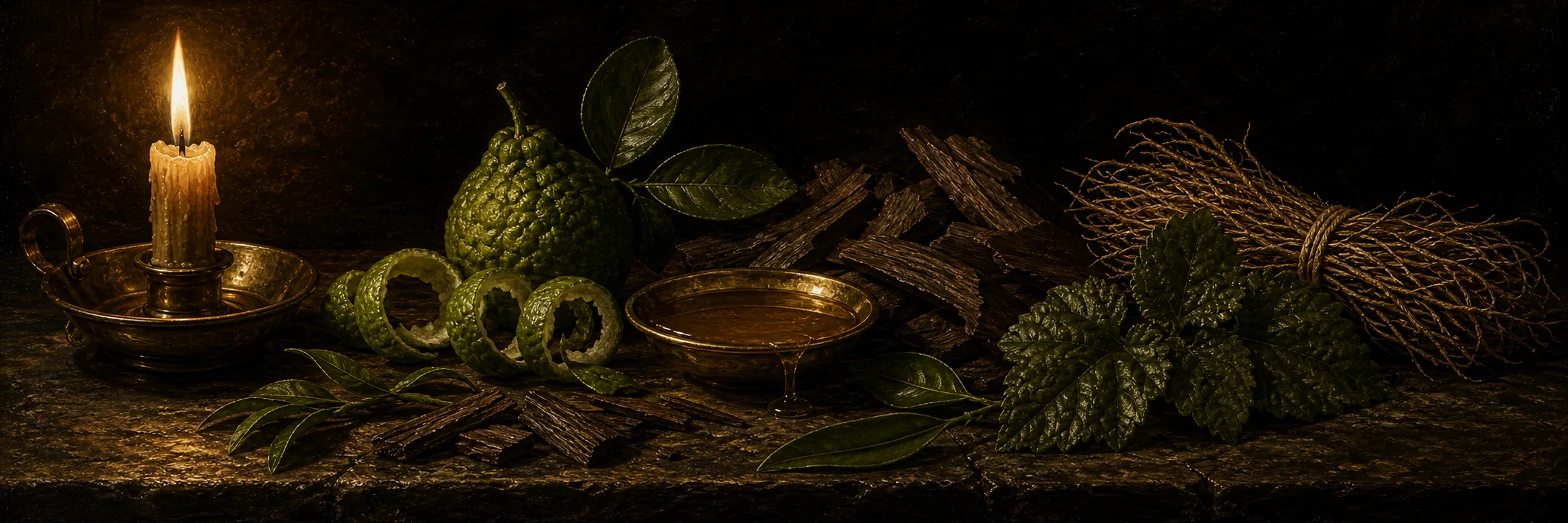
A 2017 entry in Acqua di Parma’s Ingredient Collection (the Colonia line’s “rare ingredient” series), built around an ebony-wood theme by then–AdP/Dior perfumer François Demachy. It grafts the classic Colonia citrus opening onto a dark, honeyed, resinous-woody body — petitgrain and bergamot up top, a creamy ebony-and-honey heart, vetiver and patchouli below. Widely read as a smoother, woodier sibling to Demachy’s later Dior Tobacolor (2021), and as an “executive,” mature, cool-weather scent. Now discontinued. Sold as an Eau de Cologne Concentrée.
Scent Profile
The opening (first 10–20 minutes) is genuinely two-faced, which is the point: the bright, fresh-citrus signature of Colonia (petitgrain and bergamot) collides with a dark, spicy, woody body. Red/pink pepper gives an upfront spicy snap, and elemi resin adds a light lemony-resinous facet. Within minutes the citrus begins to recede and the honey asserts itself — for many wearers, honey is the dominant impression almost from the start (“the honey note is strong in the opening along with the wood note of ebony”). A vocal minority finds the citrus subdued and the honey thick; one critical wearer reads the very opening as briefly Terre d’Hermès-like (hesperides, vetiver, pepper) before it darkens. A few detect a cumin-ish or “dirty” facet pushing it briefly toward Cartier Déclaration territory up close. The heart (1–3 hours) is the ebony-and-honey core: a creamy, warm, dark-wood accord sweetened — but, at its best, not over-sweetened — by a refined, “nobler” honey. Reviewers compare the effect to a freshly opened tin of honeyed pipe tobacco, or to the smell of antique, slightly charred wood in a cabinetmaker’s workshop (the marketing’s stated inspiration). The ebony reads as dusty, dry, dark and masculine.
Performance
Performance is the most consistent point of complaint and praise simultaneously — it’s skin-dependent and, for an “Eau de Cologne Concentrée,” moderate. Projection is light-to-moderate: a couple of feet at most early on, settling close.
Wearing Context
A mature, cool-weather, formal-leaning scent — the consensus “executive” or “boss” fragrance. Best in autumn and winter and on cool days, though some find it season-flexible and even wear it in mild summer; it is not a hot-weather or beach scent. Occasions skew formal, professional and evening: “very sophisticated scent for formal occasions,” worn to professional meetings, “for days when you want to feel like a boss.
Comparisons & DNA
The headline lineage is to Dior Tobacolor (2021), also by François Demachy: the consensus is that Ebano is effectively the structural ancestor — “in essence, the perfumes are the same,” sharing an amber/labdanum/honey skeleton, with Tobacolor centered on amber-vanilla and plum-tobacco and slightly smokier, while Ebano centers on ebony wood. Tobacolor was so much more celebrated that Ebano is often framed as the overlooked original of the idea. The other constant reference is Tom Ford Tobacco Vanille — same honeyed-tobacco family but, per one memorable wearers review, where the “youthful ambitious” buy TF Tobacco Vanille, “their fathers go for Ebano… a generation above.
Reception
Solidly admired but with a clear minority of detractors, and explicitly described by the wearers as underrated/overlooked within the Colonia line. Praise: sophistication, the well-executed and “never cheap” honey, the quality dark ebony note (one wearer calls Ebano his favorite of the entire house), and its mature, confident character. Criticisms cluster on two points: (1) longevity, with several reporting the top/heart eaten within 30 minutes and the whole thing modest on skin; and (2) a “flat/boring” drydown that some feel squanders a superb opening — “could’ve been so good and even glimpses greatness briefly” before going “bog standard. “ A subset simply finds it “sweet patchouli” or dislikes the honey. Polarization axes: honey lovers vs. honey-averse; “magnificent/addictive” vs.
Versions & Reformulation
Released in 2017 as an Eau de Cologne Concentrée within the Ingredient Collection, in 100ml and 180ml. The Colonia base itself “has retained the same composition since its inception, altered only for the creation of [the] Ingredient Collection,” so Ebano is a reinterpretation of that DNA rather than a reformulated standalone. No significant reformulation of Ebano itself is documented during its production run. It is now discontinued. The clearest “version” relationship is conceptual rather than concentration-based: Demachy’s later Dior Tobacolor (2021) is widely treated as the same skeleton redirected toward tobacco — effectively a sibling composition rather than a flanker.
Acquisition Notes
Luxury positioning (Acqua di Parma niche-luxury pricing), now discontinued, so increasingly a secondary-market hunt. Sold as Eau de Cologne Concentrée in 100ml and 180ml; the 180ml retailed around $250. Carried in its lifetime by Bloomingdale’s (a “100% Exclusive” listing) and AdP boutiques. Decant/sample availability is the smart route given discontinuation and the polarizing honey: The Perfumed Court and DecantX both list Colonia Ebano for samples/decants.
Notable Facts & Lore
- The stated inspiration is Italian craftsmanship — specifically the hidden cabinetmakers’ workshops of old Milan, where “the cabinetmakers’ old workshops smell like beeswax… and the penetrating aromas of ebony.
- “ Per Now Smell This’s February 2017 announcement, Acqua di Parma’s own brief describes “fresh top notes of petit grain and bergamot.
- These develop into an intense heart, with the creamy, warm scents of ebony and elemi oil accentuated by a touch of spicy pink pepper.
- In the base, woody, aromatic notes of vetiver and patchouli blend elegantly with warm hints of honey.
- “ Ebano and Colonia Mirra were launched together, with a notable launch event staged in the Dubai desert.
- The richest piece of frag-world lore is its relationship to Dior Tobacolor: because Demachy created both, enthusiasts widely regard Ebano as the quietly overlooked precursor to a fragrance that later became a cult hit — a “very smart move from the great master parfumeur,” as one reviewer put it.