Chanel — Chanel N°5 Eau de Parfum
Essence
Chanel No. 5 Eau de Parfum is Jacques Polge’s warmer 1986 interpretation of the original No. 5 idea. Aldehydes, florals, powder, and creamy woods become a polished abstract cloud: not a literal bouquet, but a perfume about the sensation of perfume itself.
Scent Profile
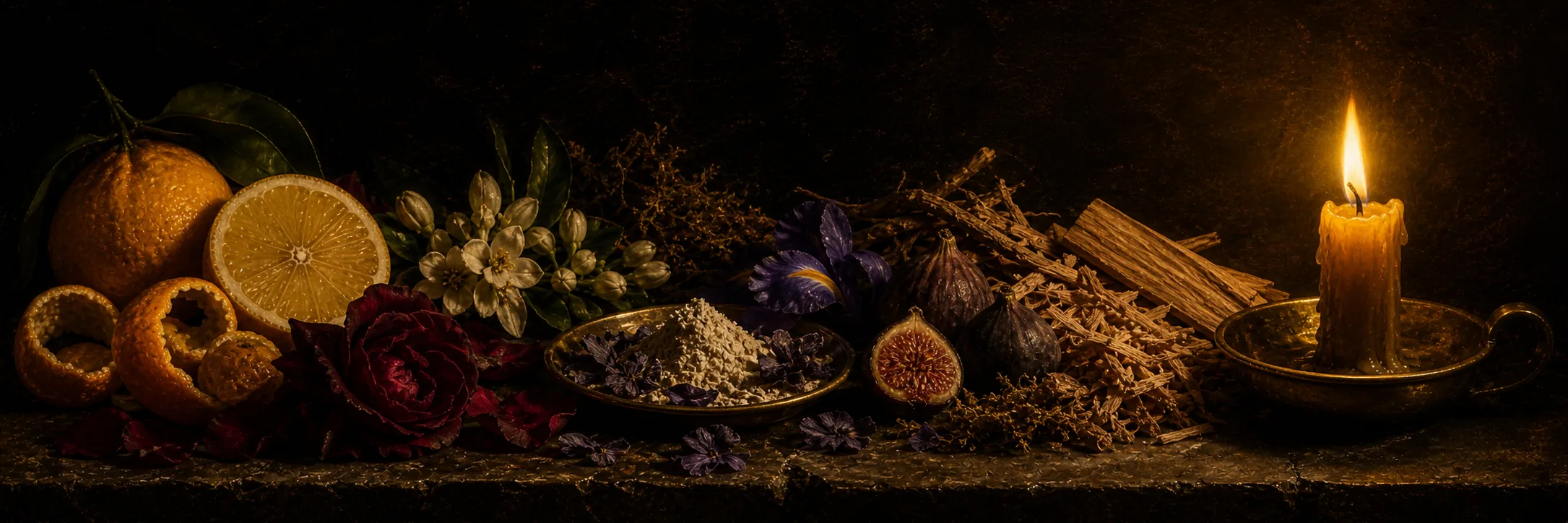
The opening begins with the unmistakable No. 5 flash of aldehydes. Neroli, ylang-ylang, bergamot, and peach soften that fizzy, waxy brightness, creating a texture that can feel simultaneously clean, citrus-lit, and peach-skin soft. It is more sparkling and airy than dense or overtly animalic. Rose, jasmine, iris, and ylang-ylang form the heart, but they are fused into a soft-focus floral abstraction rather than presented individually. Iris brings powder, while the aldehydes make the bouquet seem to glow. The result is often described through textures such as clean fabric, fine soap, or powdered silk because its identity lies in the blend’s finish, not in a single floral note. The drydown turns toward milky sandalwood, musk, amber, vanilla, patchouli, oakmoss, and a restrained animalic undertone. Compared with the parfum, the EDP is more quickly soft, woody, and ambery. It carries the same architecture in a brighter, more contemporary-feeling silhouette.
Performance
The EDP has good longevity with moderate, refined projection. It can stay present for many hours, particularly on clothing, but it becomes a closer aura rather than filling a room. That controlled presence is either a virtue or a disappointment depending on whether a wearer expects the legend of No. 5 to translate into maximum volume.
Wearing Context
No. 5 EDP is more flexible than its reputation implies. It works from polished daytime into evening, and its softer projection makes it viable for offices and indoor formal settings. The warm base gives it year-round usefulness, while the aldehydes keep the profile lifted. It reads best when a composed, dressed aesthetic suits the moment.
Comparisons & DNA
Arpege and Baghari are useful aldehydic-floral references, though neither duplicates No. 5’s particular balance of sparkle, powder, and creamy woods. White Diamonds offers a more affordable, emphatic aldehydic direction, while No. 5 remains more abstract and polished. Inside Chanel, No. 5 L’Eau is brighter and fresher, Eau Premiere is often easier and lighter, and the Eau de Toilette emphasizes a woodier texture. The parfum is richer, denser, and more animalic. These versions are better guides than looking for a simple substitute, because each changes the No. 5 architecture in a distinct way.
Reception
No. 5 EDP is revered for balance, quality, and an identity that remains instantly recognizable. Its florals and aldehydes create a kind of elegance that many wearers find timeless, even when contemporary perfumes favor clearer note lists and louder effects. It is a cultural object as well as a working fragrance. The same abstract style produces its resistance. Detractors experience too much soap, powder, or an overly mature mood, and some expect more projection from the name. It is best sampled rather than bought blindly by anyone unsure about aldehydes, classic floral powder, or restrained sillage.
Versions & Reformulation
The current EDP dates to 1986 and is one interpretation within the larger No. 5 family. The original parfum, EDT, Eau Premiere, and L’Eau are distinct concentrations or reinterpretations rather than interchangeable bottles. Material changes across No. 5’s history are widely discussed, but there is no single authoritative public timeline for changes to this EDP.
Acquisition Notes
No. 5 EDP remains a core Chanel offering in standard bottles and travel-friendly formats. It is easy to sample through official retail, which is useful because its abstract aldehydic style is strongly taste-dependent. Buy through Chanel or an authorized retailer when current packaging and provenance are important.
Notable Facts & Lore
- Jacques Polge created the EDP interpretation in 1986.
- It is the warmer, more ambery No. 5 expression in the current family.
- Marilyn Monroe’s association with No. 5 is a lasting part of its cultural story.
- The perfume’s signature is an abstract aldehydic floral, not a literal soliflore.