Chanel — Sycomore Eau de Parfum
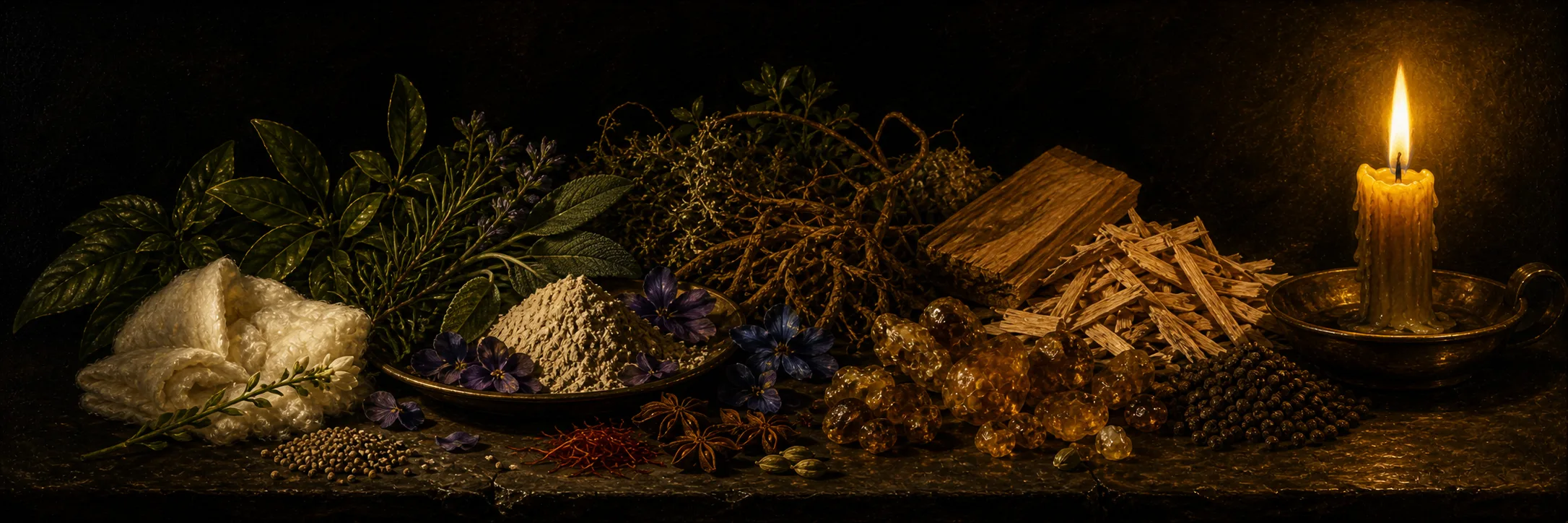
Essence
Sycomore EDP is Chanel’s prestige-line vetiver, the 2016 Eau de Parfum that replaced the cult 2008 Les Exclusifs EDT. Built around Haitian vetiver root, it pairs the grass’s smoky, earthy bite with a creamy Chanel sandalwood backbone, dry cypress/juniper, peppery sparkle and a whisper of violet and tobacco. The distinctive thing is its register: a luxurious, refined, “quiet-luxury” vetiver rather than a rough or aquatic one. It is the rounder, woodier, sandalwood-forward sibling to the starker, smokier discontinued EDT - and that EDT-vs-EDP delta is the single most-discussed fact about it.
Scent Profile
The opening is restrained, not loud: aldehydes and pink pepper provide a brief crackle of sparkle over vetiver that surfaces almost immediately. Several wearers describe a near-realistic “smoke sauna” or sooty top note in the first minutes - black soot, birch-twig steam - before it settles. Within ten to twenty minutes the rawest edge recedes and the defining move appears: vetiver and cypress winding around each other, the cypress reading as dry cedar-shavings rather than overbearing hinoki, the vetiver showing its earthy, root-pulled-from-soil character. In the heart (one to three hours) the Chanel sandalwood asserts itself - the EDP’s signature departure from the EDT. The sandalwood smooths and creams the vetiver, producing what some call a “nutty,” almost edible mid-stage; violet adds a faint powdery floralcy that several note arrives late rather than up front. The smoky/tobacco facets that defined the EDT are muted here, sweetened by vanillic woody-amber molecules. The drydown (three-plus hours) is a soft, woody, lightly sweet vetiver-sandalwood skin scent, powdery at the edges, hugging close. Perceptible: vetiver (dominant throughout), cypress/cedar, sandalwood (heart and base), pink pepper (fleeting), a powdery violet. Submerged: tobacco (much reduced vs. EDT), aldehydes, overt smoke. Broadly linear with a sandalwood-driven evolution in the heart. The signature accord is creamy sandalwood draped over earthy-smoky Haitian vetiver - the “Chanel-ification” of vetiver, where the EDT’s stark, airy dryness is replaced by polish and roundness; critics split on whether that is a gain (more elegant, better longevity) or a loss (the EDT’s “fabulous smoke” stripped out for something blander).
Performance
Projection is light to moderate - a close-wearing fragrance, not a room-filler; most report a scent bubble of roughly arm’s length, with more on a generous application. One detailed wearer measured about two meters of sillage from two sprays initially, strong for around four hours, then settling to roughly one meter and a skin-scent thereafter. Longevity is the EDP’s genuine improvement over the EDT: on skin commonly eight to ten-plus hours, with multiple reports of it “still pushing” at five hours; a few report ten hours from five sprays. On clothing it lasts considerably longer but turns soft. It is fall/winter-weighted but performs well in cool, dry air; in heat it can read heavier and turn somewhat sour/rooty on some skins. Best applied generously to skin (pulse points) and, for projection-seekers, with extra sprays, since it is intentionally understated.
Wearing Context
Best in autumn and winter, though plenty wear it year-round; its earthy, smoky-dry character evokes boreal forest, decaying leaves and campfire-adjacent woods, making it a quintessential cool-weather, signature-scent option. Time of day is flexible - refined enough for daytime office wear (go light, one spray, as it can be potent up close) and elegant enough for evening. It shines as a “quiet luxury” statement: distinctive, classy, leaning slightly masculine despite being marketed unisex, well-suited to tailoring and formal dress. It falls flat for those wanting a loud compliment-getter or a bright summer vetiver - too understated and cool-toned for that. Social-perception skew: marketed as a posh, feminine-leaning prestige unisex, but in practice most-loved by male vetiver enthusiasts; sales staff may steer men away, and its niche-within-a-niche appeal means casual audiences may find it “grey” or “lifeless.”
Comparisons & DNA
The constant reference point is Lalique Encre Noire - the budget (~$30) smoky/woody vetiver many cite as superior value; wearer verdict is that Encre Noire is rougher, more synthetic-woody and incense-cool, while Sycomore is classier, better balanced and more refined. Tom Ford Grey Vetiver is the cheaper, brighter “office vetiver” alternative - Now Smell This called it well-done but less unusual, a great starter while building toward pricier vetivers. Frederic Malle Vetiver Extraordinaire is cooler, crisper, more transparent and arguably the connoisseur benchmark. Guerlain Vetiver is cleaner and more classic/true-to-the-note, a hot-weather pick. Hermes Vetiver Tonka is sweeter, nuttier, hay-and-tobacco soft. Dior Vetiver rounds out the designer field. The EDT specifically was compared by Luca Turin to L’Artisan Parfumeur Timbuktu (Bertrand Duchaufour) for its minty-licorice/crackling-wood idea. Within the house, Sycomore’s lineage runs from Ernest Beaux’s original 1930 Sycomore (violet/tobacco), through the 2008 Polge/Sheldrake EDT, to this 2016 EDP, to Olivier Polge’s 2022 Extrait (which adds powdery vanilla). No true designer “clone” of the EDP exists - it sits in genuinely niche-priced territory. As a vetiver landmark it helped cement vetiver’s modern “It-girl” status and is routinely listed among reference vetivers.
Reception
Wearers generally hold Sycomore in high regard as a beautifully made, refined vetiver, but the discourse is dominated by the EDT-vs-EDP debate. EDT loyalists are vocal that the 2016 reformulation “took all the fabulous smoke out,” is weaker and “as starkly different as night and day,” with the EDT’s earthy texture, dark smoky-incense accord and “maple leaves crisping on a bonfire” gone, replaced by vanillic molecules and modern woody-amber. A meaningful minority prefers the EDP, calling it smoother, creamier, more “Chanel” thanks to the sandalwood backbone, and longer-lasting and better-projecting than the old EDT. Common praise: elegance, quality, the vetiver-cypress-sandalwood balance, autumn atmosphere. Common criticisms: price versus Encre Noire, understated projection, and - from detractors - that it can read “grey, smoky and lifeless” or like a “Christmas candle” or “dirty ashtray.” Critical reception is firmly positive on the original: Luca Turin gave Sycomore five stars in Perfumes: The A-Z Guide, calling it “the freshest, most salubrious, yet most satisfyingly rich masculine in years” and quipping “If putting it on does not make you shiver with pleasure, see a doctor.” Blind buy? Reasonable for vetiver lovers who want a polished, long-lasting, cool-weather vetiver and do not mind the price; sample first if you specifically chase the EDT’s smoke, which this softens.
Versions & Reformulation
Three modern iterations on what Persolaise calls “the Sycomore spectrum,” plus the lost 1930 original. The 2008 Les Exclusifs EDT (Polge & Christopher Sheldrake) is the driest, most purist, smokiest, most air-and-space rendition - now discontinued and the cult favorite, with secondary-market demand. The 2016 EDP (this entry) uses the same woody vetiver but is rounder, sweeter, wetter, with a pronounced sandalwood backbone, more floral/violet lean, vanillic woody-amber base, and notably better longevity and projection - Chanel converted essentially the whole Les Exclusifs range from EDT to EDP around this time (the Eau de Cologne excepted). The 2022 Extrait (Olivier Polge) adds a gentle, naturalistic powdery vanilla, sitting as the most rounded/“feminine” variant; Persolaise notes it’s “still recognisably Sycomore… a shadowy gaze of scent.” The 1930 Ernest Beaux original was reportedly violet-and-tobacco-driven and is effectively a different perfume.
Acquisition Notes
Pricing tier: luxury/quasi-niche (Les Exclusifs de Chanel). Commonly sold in 75 ml and 200 ml EDP; per-ml it works out relatively cheap for an Exclusif (one reviewer calculated roughly $1.5/ml on the large bottle), though absolute prices are high. Available authentic through Chanel boutiques and chanel.com, plus authorized department-store counters. Decant ecosystem is healthy - splitters and sample sites carry it, and private splitters have historically offered spray decants; sampling is strongly advised given the price and the EDT/EDP question.
Notable Facts & Lore
- Chanel’s own narrative ties Sycomore to Gabrielle Chanel’s 1930 vision of a woody perfume “set apart,” named for the sycamore tree to evoke heat radiating from the earth in early autumn - an echo of her childhood among the volcanoes of Auvergne.
- The fragrance’s reputation rests heavily on Luca Turin’s five-star canonization, which positioned the 2008 version as “a magisterial gloss on Bertrand Duchaufour’s Timbuktu” and made the “see a doctor” line one of the most-quoted vetiver endorsements in the hobby.
- The 2016 EDP became a flashpoint in the broader enthusiast grievance about Chanel reformulating/concentration-swapping its Les Exclusifs line, with the EDT’s discontinuation widely mourned.
- Wearer shorthand frames the EDP as the vetiver for someone who wants Chanel polish (a recurring line: if it were repackaged as “No. 5 for men” it would make sense), versus Encre Noire as the budget-superior smoke-bomb.
- It’s frequently invoked as a “James Bond”/quiet-luxury fragrance.