Chanel — Cristalle Eau de Toilette
Essence
Cristalle Eau de Toilette (1974, Henri Robert) is one of perfumery’s great green citrus chypres - a cold, crystalline, almost-cologne-bright composition that translates its name, crystal-clear, into scent. Sharp lemon and galbanum over reserved white florals and a dry, mossy-vetiver base, it is austere, brainy and bracingly fresh, equally wearable by men and women decades before “unisex” was a marketing category. It reads as the lighter, sunnier cousin to Chanel No. 19, and its vintage-versus-current oakmoss story is central to understanding it.
Scent Profile
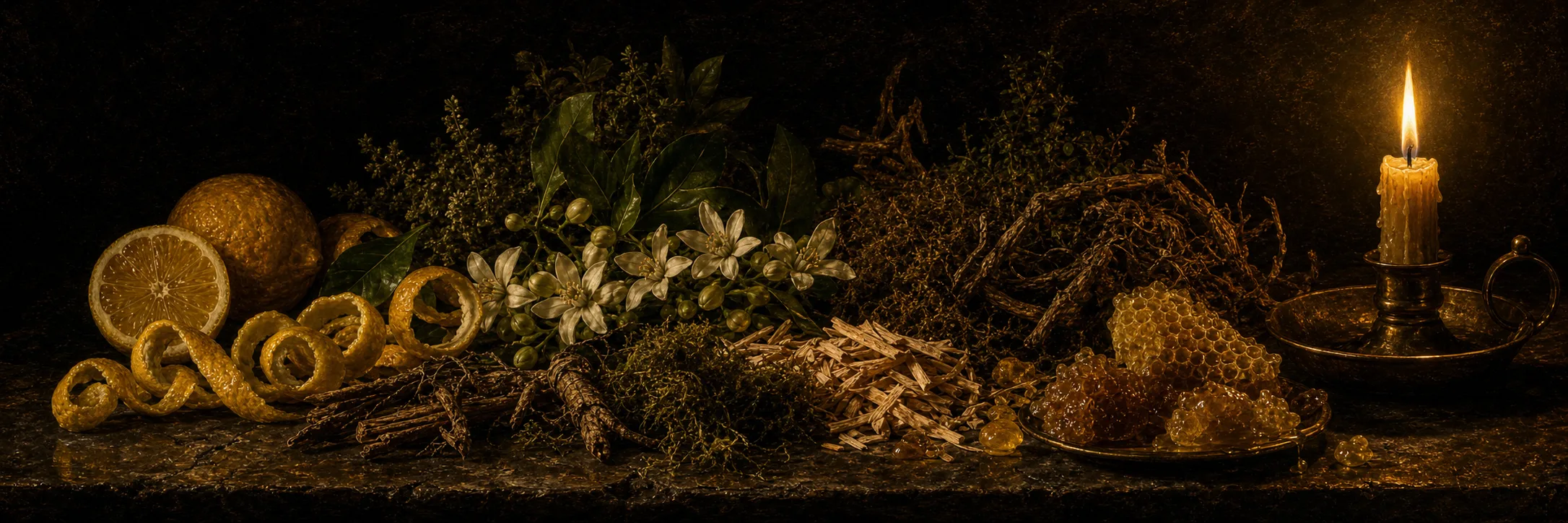
Cristalle wears as an upside-down pyramid: brightness over a quiet mossy floor. The opening is the defining moment, a vivid burst of Sicilian lemon and bergamot sharpened by herbal basil and tangy-sweet petitgrain, all strung together and prolonged by the throat-slicing green of galbanum. The critic Victoria Frolova described the top as “an impression of an ice sculpture under intense sunshine” - effervescent and diamond-cut. It reads cold and crisp rather than juicy. The heart brings the florals forward, but deliberately restrained and “filigree-like.” Hyacinth is the most characterful, dewy and slightly watery; jasmine, honeysuckle and lily-of-the-valley are stripped of their creamy richness and pushed toward their sharp, radiant, green facets. The florals are perceptible but subordinate, kept translucent so the composition stays green and astringent rather than heady. The drydown is where the chypre identity lives: oakmoss with a powdery, hay-like sweetness, punctuated by the wet-roots smell of a glassy, scratched-glass vetiver. The base is dry, mossy, woody, faintly grassy and never sweet - one wearer likened the skin scent to “the inside of a suede purse that someone spilled a citrusy perfume in.” The arc from sparkling citrus-green to dry moss is fast and subtle, and longevity is the famous weakness.
Performance
By design and consensus this is a light, fleeting fragrance - the trade-off for its crystalline sparkle. Projection is light-to-moderate, a bright bloom in the first hour that cuts through heat but stays relatively close, with modest sillage. Longevity on skin is the well-known limitation, commonly around three hours, though it holds notably longer on clothing - some wearers spray garments the night before to extend it. It excels in heat and humidity and is muted by cold, and oakmoss-sensitive skin can turn it musty. Apply generously, layer on clothes or hair, and judge it as a refined classical cologne-chypre rather than a modern powerhouse.
Wearing Context
This is a daytime, warm-weather classic above all, with spring and summer its natural home, where the icy citrus-galbanum opening is most refreshing - historically Chanel’s challenge was that women bought it only in summer. It excels for office and professional wear, casual daytime elegance, and as a green pick-me-up, and some enjoy it in cold winter as a mood-brightener. Anyone wanting longevity, projection or warmth will be frustrated, and it can read austere or “leave me alone” distant. Socially it skews sophisticated, Parisian and a touch severe; though marketed feminine, it is frequently described as unisex, signaling taste and restraint rather than seduction.
Comparisons & DNA
- Dior Diorella (1972, Roudnitska) is the canonical sister - the two are repeatedly called close relatives, with Cristalle the fresher, greener, drier reading that lacks Diorella’s overripe-melon and cumin warmth.
- Chanel No. 19, its essential in-house sibling, shares the green/oakmoss/vetiver backbone but is more severe and galbanum-sharp, where Cristalle is light and fun by contrast.
- Dior Eau Sauvage is the masculine ancestor of the style, the Roudnitska hedione lineage that Cristalle pushed further.
- O de Lancome and Estee Lauder Jasmine White Moss sit in the same green-chypre neighborhood, the latter often called very close. No true designer dupe of Cristalle is widely recognized; its closest substitutes are its genuine relatives rather than budget clones.
Reception
Cristalle EDT is broadly esteemed as a green-chypre benchmark. Luca Turin awarded it five stars, famously evoking “a business-like briskness that suggests waking up from a night spent with a gorgeous stranger… leaving only a cloud of Cristalle as a contact address. Beautiful, and a little scary.” Frolova praised its diamond-cut clarity and filigree florals, and Now Smell This’s Robin called it a beloved “light, crisp, and sparkling” classic she “lives in fear” will be discontinued. Wearers call it “spring in a bottle” and an “ice queen,” and credit it with launching their love of chypres. The dominant criticisms are poor longevity, accepted as the price of its style, and a polarizing austerity: a real subset find it cold, sour, musty, or get the dreaded “rotting swamp.” The axis of disagreement is “pristine, brainy, elegant green masterpiece” versus “thin, sharp, and emotionally cold,” and it is often noted as an acquired taste that wearers grow into. As a well-documented, reasonably priced classic it is a relatively safe buy for green-chypre lovers and a risky one for anyone expecting sweetness, warmth or power.
Versions & Reformulation
Cristalle exists as two fundamentally different compositions plus reformulation layers. The 1974 EDT by Henri Robert is the original green citrus chypre - light, crisp, austere, oakmoss-and-galbanum driven. The separate 1993 EDP by Jacques Polge is not a concentration of it but a different scent: softer lemon with mandarin and peach, toned-down green, and melon, ylang-ylang and jasmine over a warmer base - a richer fruity-floral chypre that some critics consider an imposter to the original idea. The reformulation story centers on oakmoss and IFRA: vintage EDT (especially pre-2000s) is loaded with oakmoss and reads austere and earthy with a crystalline sparkle, while current versions carry less oakmoss and more vetiver, reading cleaner and less mysterious. For the full oakmoss experience, seek vintage EDT; the current EDT remains a fine, if tamer, green chypre.
Acquisition Notes
Cristalle sits in luxury-designer pricing, premium but not niche, and the EDT is in regular distribution in 50 ml and 100 ml. The EDT has long been harder to find at counters than the EDP, with staff sometimes wrongly claiming it is discontinued - it is not, and Chanel’s own boutiques, site, and major department stores carry it. Decants are the easy way to sample the current EDT and to compare it against the EDP before buying; for vintage, specialist dealers are the route, with the caution that aged bottles vary in condition and that EDT and EDP are easily mislabeled.
Notable Facts & Lore
- Although credited to Henri Robert, Luca Turin wrote that Edmond Roudnitska also worked on the EDT - consistent with its kinship to his Dior chypres.
- Octavian Coifan’s note that Cristalle pushed Diorella’s hedione innovation further (to roughly 30 percent) reinforces that Roudnitska lineage.
- Created in 1974 under the slogan “A Brilliant Burst of Fragrant Energy,” it was marketed to “active, young women” as “the freedom of a cologne and the strength of a perfume.”
- The name evokes transparency and purity, tied to Gabrielle Chanel’s taste for outdoor life and natural sophistication.
- Because women bought it only in summer, Chanel created the 1993 EDP specifically to encourage year-round sales.
- For many wearers it is a deeply nostalgic signature, frequently cited as “the scent that started my passion for perfume.”